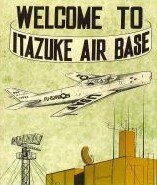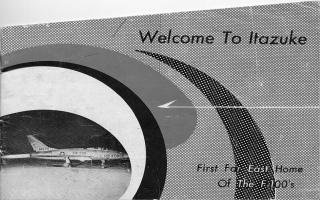
A Look at Itazuke Air Base and Annex in Fukuoka, Japan, 1945~1972
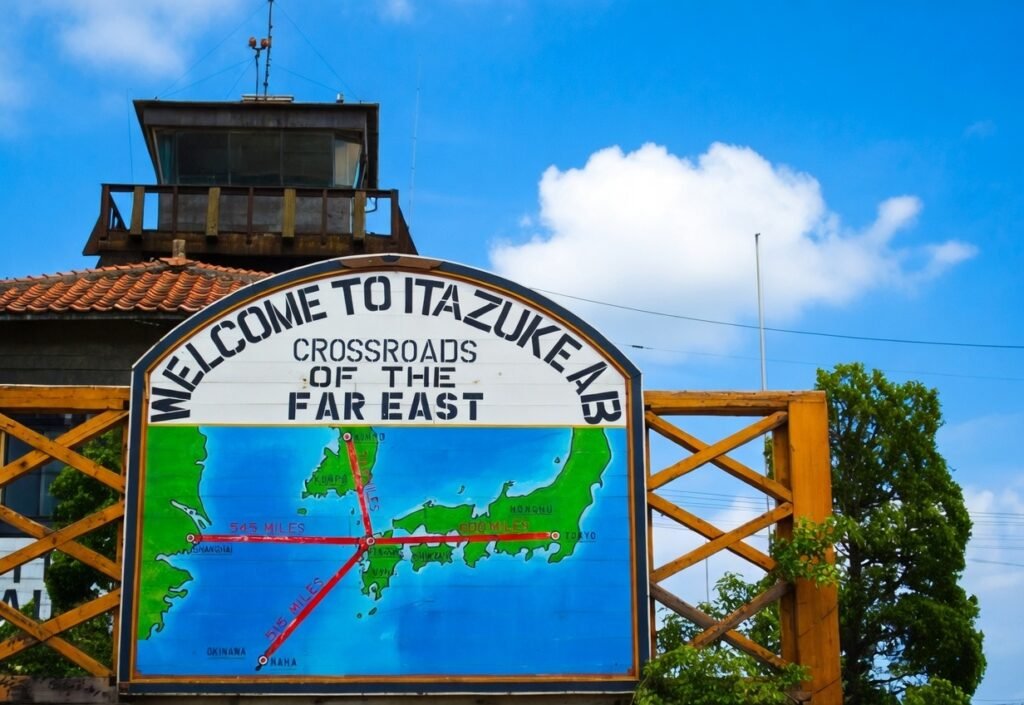
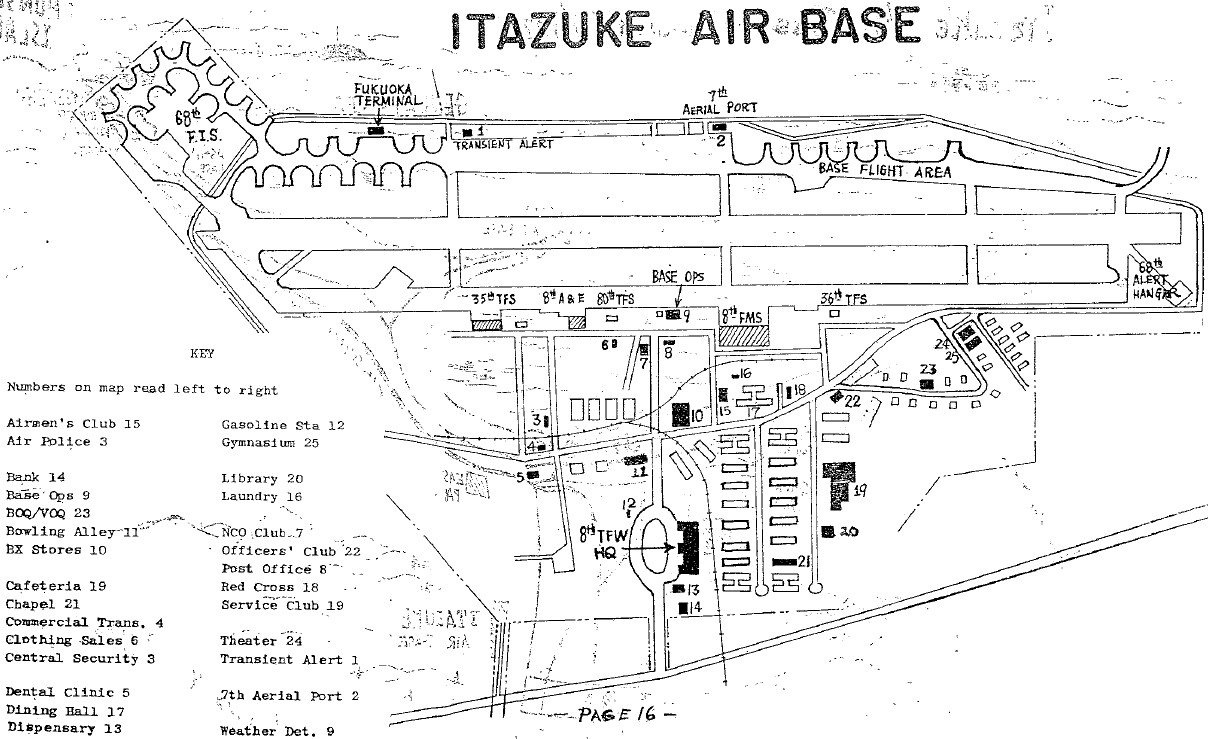
In late 1944, the construction of Itazuke Air Base was completed on the site of Mushiroda Base, a former Japanese Army Air Force installation. The Japanese had built Mushiroda on rice paddy land purchased from the farmers. The base when under Japanese control housed the 6th Fighter Wing of the Japanese Air Force which was committed to the defense of southern Japan with 30 single fighters and a small number of twin engine reconnaissance aircraft.
In April 1945 the Tachiarai Air Strip at Kurume about 20 miles south of Itazuke was struck by American B-29’s. The Japanese moved their bombers from Tachiarai to Itazuke and used Itazuke as their base of operations until the very last days of the war when Itazuke was destroyed by American B-29 bombers.
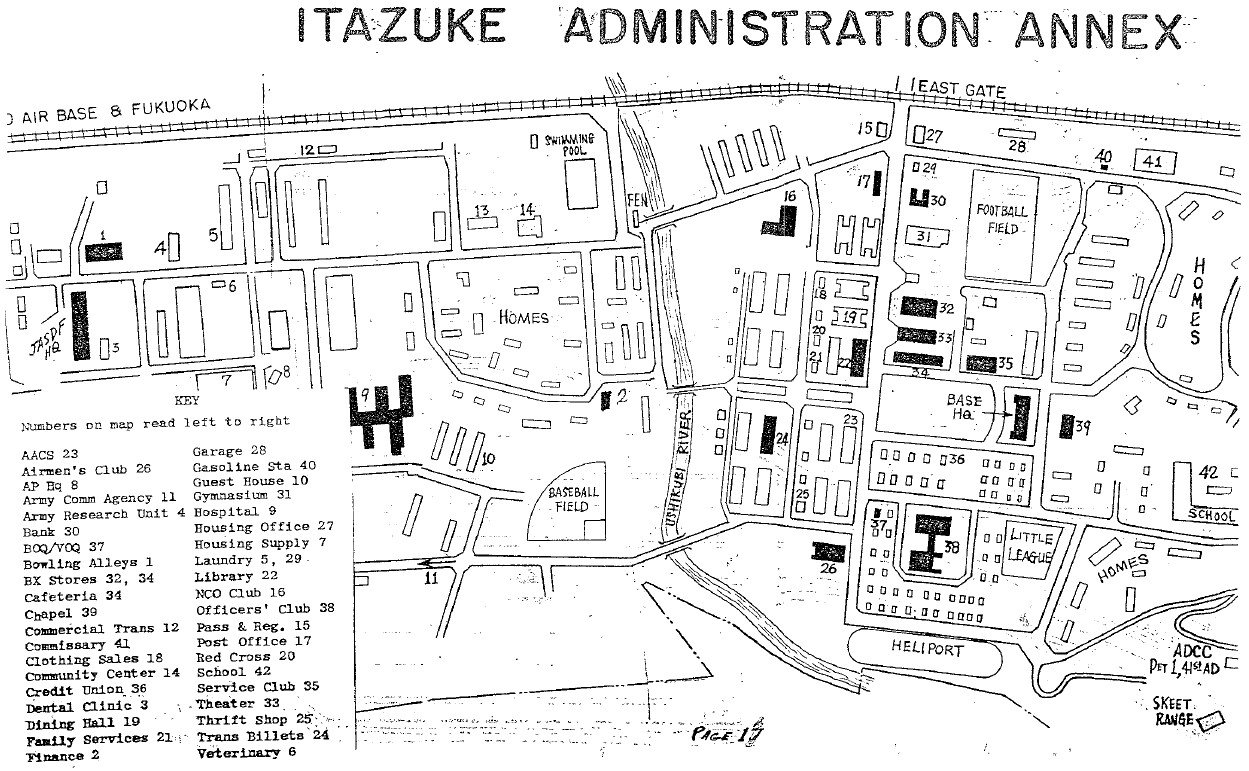
When the American occupational forces took over in October 1945, they found one hanger on the Main Base and only a small portion of the Annex in existence. The present Air Installations, Base Supply, and Motor Pool areas constituted the Annex and was called the Kasugabaru Branch of the Kokura Army Ordinance Depot. The balance of the present Annex was farm land.
The first American to arrive at Itazuke was Colonel McBride of the Army Engineers. He officially took the area over from the Japanese government. At that time, Itazuke Air Base consisted of Base One (Kasuga), Base Two (Camp Fukuoka) and the Air Strip. Base headquarters was located in building T-1. The 315th Composite Wing was the Air Force occupation unit assigned to Itazuke.
In March 1949 the 8th Fighter Bomber Wing replaced the 315th Composite Wing as the occupational force at Itazuke. The 8th remained at Itazuke until 26 June 1950, the start of the Korean conflict.
When the 8th Fighter Bomber Wing was transferred to Korea, the 8th Air Base Group took over the operation of the base and became the 6160th Air Base Wing in December 1950. Throughout 1951 and 1952, the 6160th supplied logistical support for other bases in the surrounding area and Korea. The Wing was also the housekeeping unit for Itazuke Air Base and the Annex. Construction of a new mess hall. BOQ’s and Airmen billets, begun in 1953, was completed in the summer of 1954. In October 1954, the 8th Fighter Bomber Wing reassumed command of Itazuke and the 6160th Wing was deactivated.
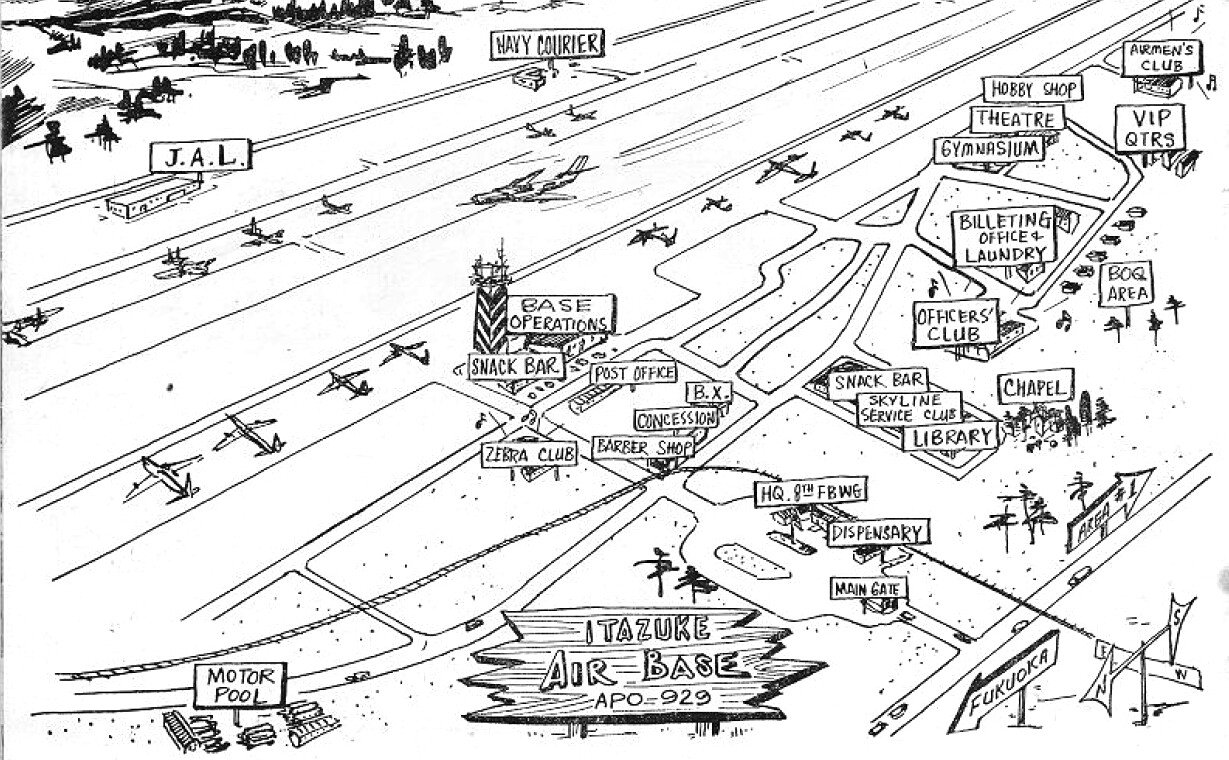
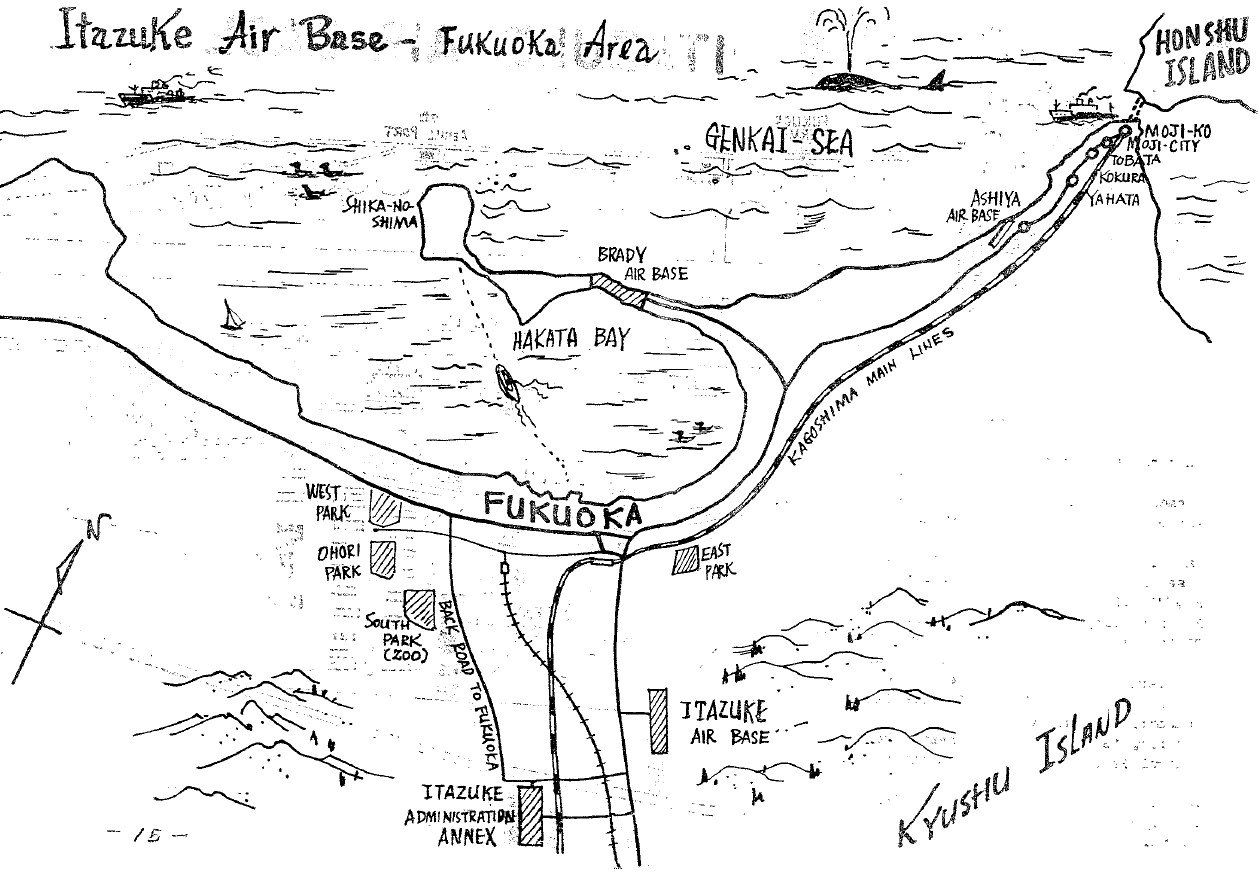
Itazuke Air Base is in fact a complex of three air bases that provide operational facilities and support for the only USAF air defense and re- taliatory air units in western Japan. The complex consists of an operational air field, Itazuke Air Base proper; a logistic, housing and administrative support base, the Administrative Annex; and Brady Air Base, which includes logistical units, housing a large Army unit, and a non-operational airfield. The US Army and Navy have personnel stationed on all three of the bases.
The total American population of the area is about 10,000. In addition, approximately 6,000 Japanese are employed on the bases.
Itazuke Air Base is the only airfield in Kyushu today and one of the few in all Japan that can accommodate modern military and commerical jet aircraft. Also, Itazuke is the southernmost USAF establishment in Japan.During World War II the Japanese Imperial Army Air Corps was stationed at what is now known as Itazuke Air Base. Immediately following the war, American military personnel occupied the base and began rebuilding the runways and hangars which had been demolished by USAF bombers. In 1949 the air base became the home of the 8th Tactical Fighter Wing.
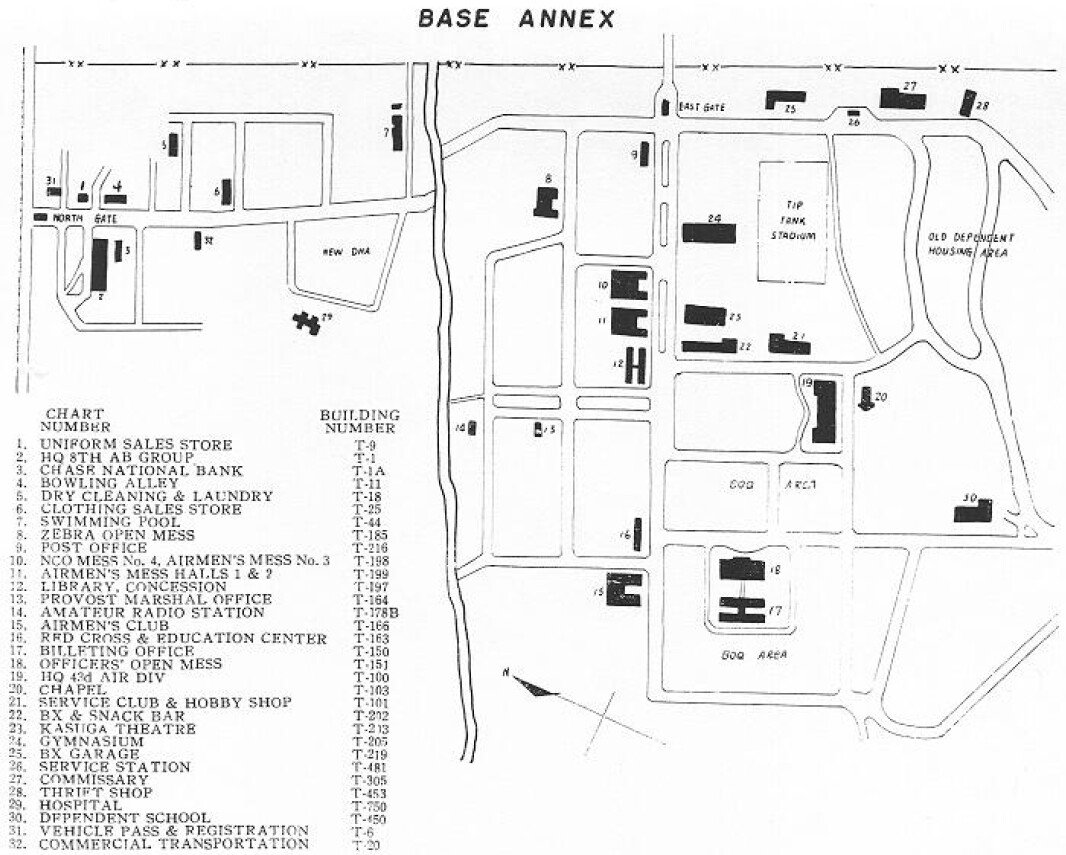
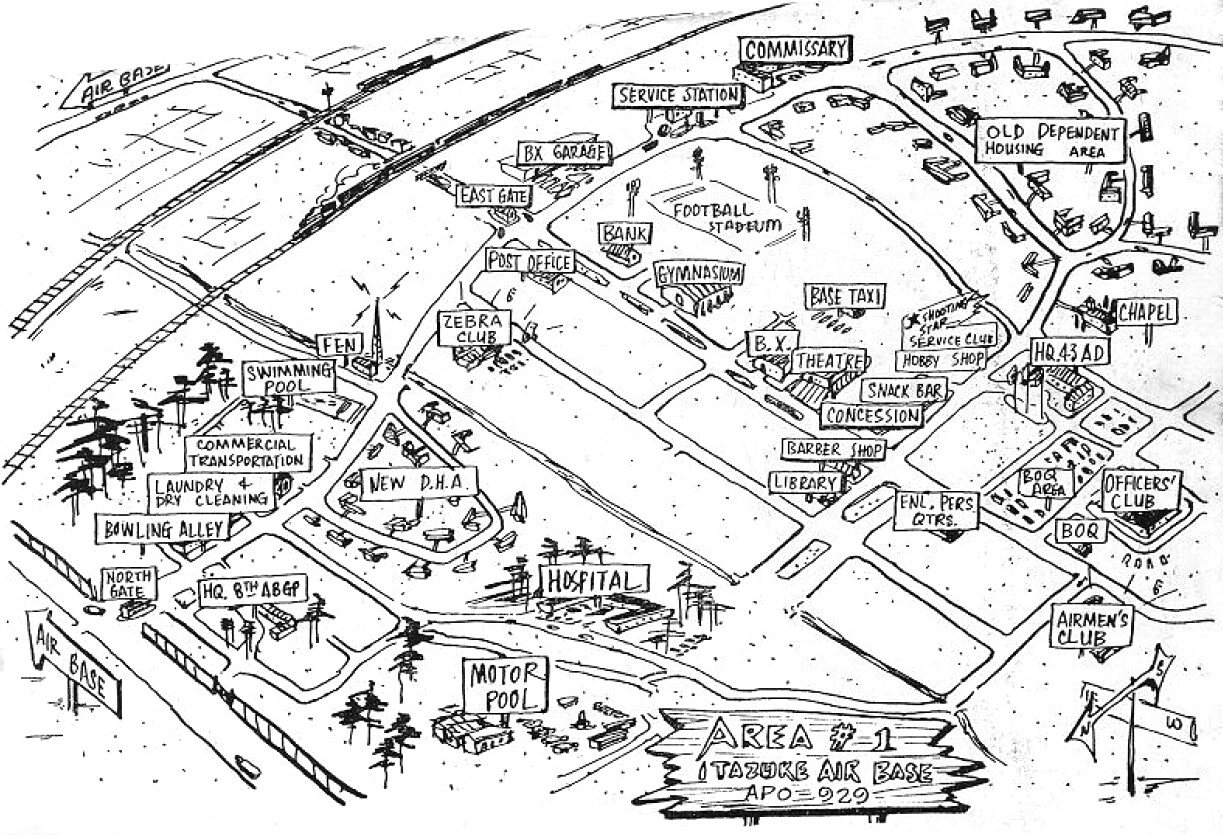
The Administration Annex, formerly the site of a Japanese arsenal, was rehabilitated by US Engineers, Some of the present large buildings on the base were part of this arsenal. Construction of additional buildings began in late 1945 and today the annex is a well-equipped USAF installation.
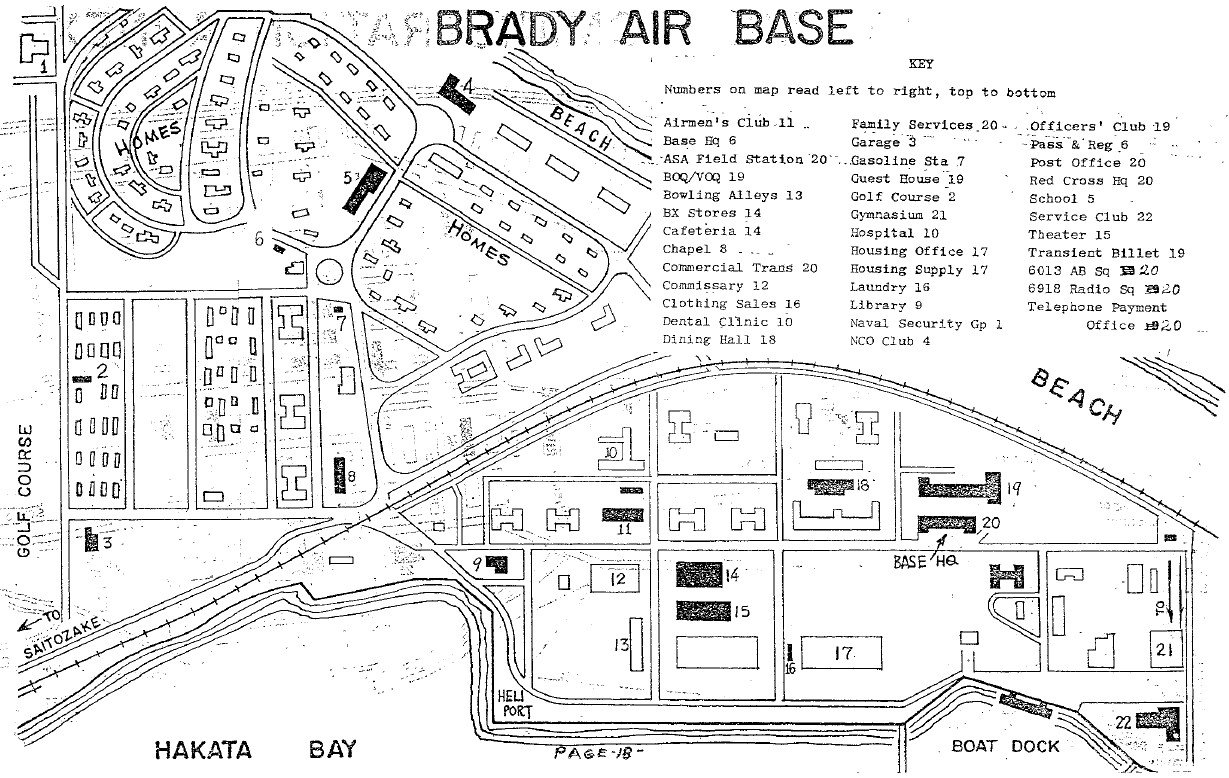
The main area of Brady Air Base was originally Hakata Naval Air Base and served the Japanese Imperial Navy as a sea plane base. The air field was the Fukuoka Municipal Airport. After World War II, the US Army occupied the two bases. During the Korean conflict the USAF used the airfield area and named it Brady Air Base. The Army continued to hold Camp Hakata. The Air Force assumed full control and consolidated the bases in 1956. Brady is now operated by an air base squadron under the 613d Air Base Group.
Itazuke Air Base (also known as Itazuke Airfield or Mushiroda Airfield) was a major U.S. Air Force installation in Fukuoka, Japan, that operated from 1945 to 1972. Today, its primary site forms the core of Fukuoka Airport (Fukuoka International Airport), one of Japan’s busiest airports. At its peak, it was the largest USAF base on Kyushu and played a critical role in the Allied occupation of Japan and the Korean War.
Japanese Origins (1940s)
Construction began in 1944 by the Imperial Japanese Army as Mushiroda Airfield, intended as a military airfield with a single runway. Built using prisoner of war and local labor, it supported Japanese Army Air Force operations during the final stages of World War II but saw limited use before Japan’s surrender. The site suffered damage from Allied bombing raids on Fukuoka.
U.S. Occupation and Early Years (1945–1949)
U.S. forces took over the airfield immediately after the war in 1945 and redesignated it Itazuke Air Base. It was initially under Army control before transitioning primarily to the U.S. Air Force. The base was part of a larger complex that included:
– The main airfield (now Fukuoka International Airport)
– Itazuke (Kasuga) Administration Annex
– Camp Hakata / Brady Air Base / Hakata Annex (on the Saitozaki peninsula, Uminonakamichi, forming the north side of Hakata Bay)
These sites were sometimes referred to collectively, with name changes and command shifts (Army to Air Force in 1956) causing some historical confusion. Dependents began arriving early, with schooling documented as early as 1946–1947.
Korean War Era (1950–1953): Peak Operational Importance
Itazuke became a vital forward base for U.S. air operations supporting the Korean War. It served as headquarters for many Fifth Air Force activities, with pilots often flying combat missions over Korea and returning the same day—sometimes eating breakfast with family before departing and returning for dinner. Key units included:
– The 8th Fighter-Bomber Wing (and its groups), which conducted interdiction and close air support.
– Fighter squadrons flying F-80 Shooting Stars, F-82 Twin Mustangs, and later jets.
– Weather reconnaissance and other support missions.
Notable early actions: On June 26–27, 1950, F-82G aircraft from Itazuke achieved some of the first aerial victories of the war, downing North Korean aircraft. The base supported emergency recoveries, logistics, and combat sorties throughout the conflict. A control tower sign from Itazuke (now in the National Museum of the U.S. Air Force) commemorates the countless missions flown from here.
A runway extension to 2,800 meters was completed in 1951 to handle heavier operations.
Dependents’ Community and Schooling
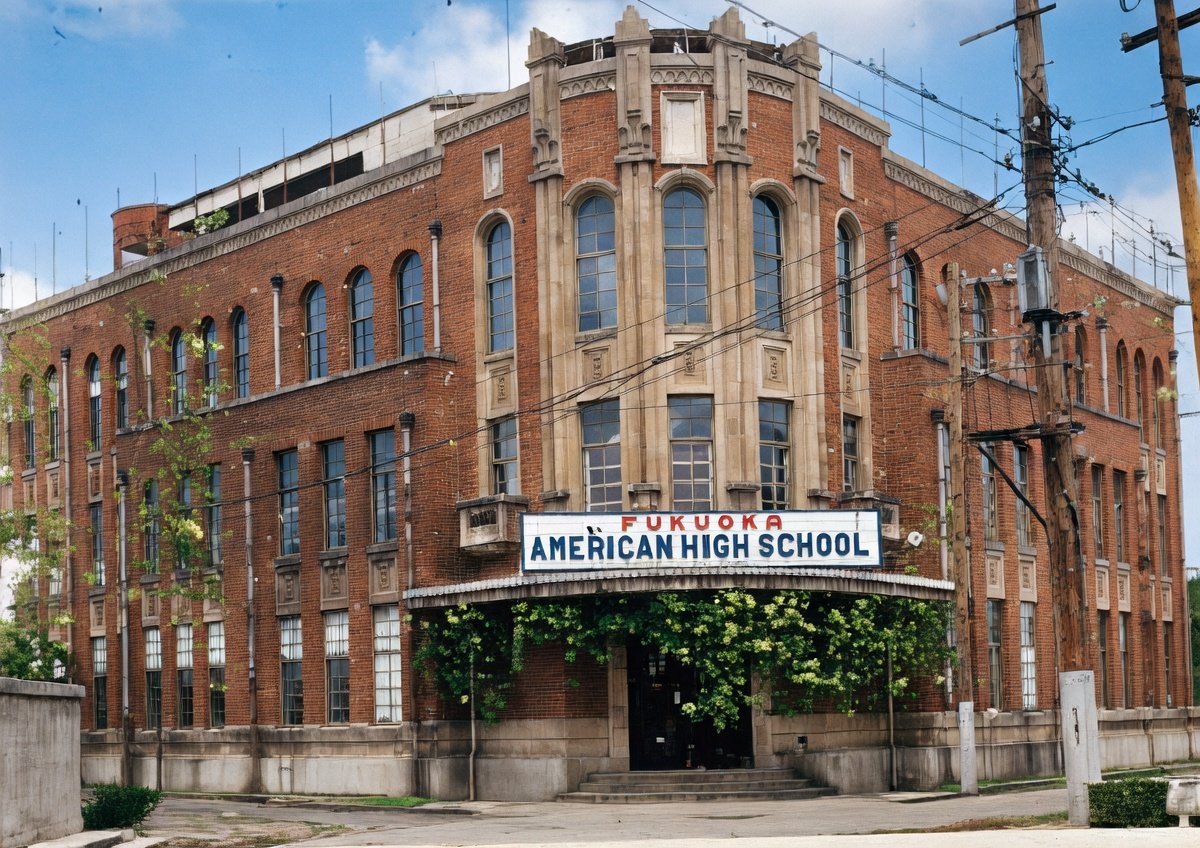
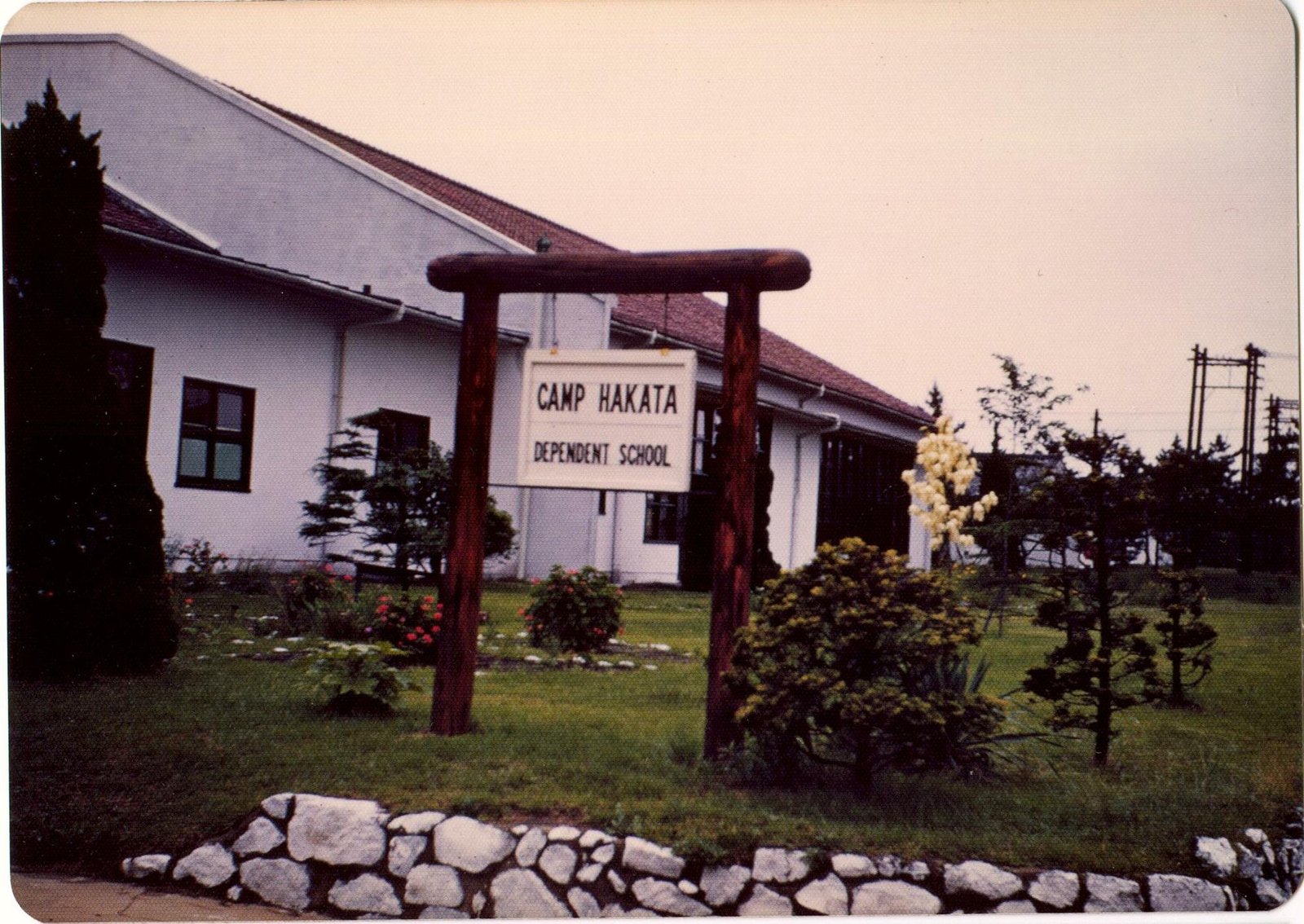
The base supported a significant American dependents’ community. The Itazuke American Dependents School (also called Itazuke Air Force Dependents School or Itazuke Elementary/High School) served families from the broader Fukuoka-area installations (including Brady/Camp Hakata).
– Schooling began informally around 1946–1947 (initially in small setups with few students and teachers).
– By 1950–51, a merged Fukuoka American High School operated (yearbook titled *Take no Ki* or later *Bamboo*), with elementary through high school programs.
– In 1952, it formalized as a K–12 school.
– Yearbooks (*Bamboo*) document vibrant community life, sports (e.g., “Mighty Cobras”), clubs, and the challenges of overseas schooling during the Cold War. The school closed with the base in 1972; its final year (1971–72) operated as Hakata High School at Brady before full closure. Some facilities later helped establish Fukuoka International School.
The community included housing, a hospital, PX, and social events—making Itazuke feel like a “Little America” outpost on Kyushu.
Later Cold War Years and Closure (1950s–1972)
After the Korean War, Itazuke continued as a USAF base with fighter, reconnaissance, and support units. It hosted events like base festivals (e.g., “Miss Itazuke Airbase” contests in the 1960s) and maintained readiness amid regional tensions.
In 1970, the U.S. and Japan agreed to return the base due to budget cuts and the overall drawdown of U.S. forces in Japan. USAF facilities closed on March 31, 1972. The airfield transitioned to civilian use as Fukuoka Airport (Type 2 airport under Japanese management), with commercial operations expanding rapidly.
Legacy and Present Day
– Fukuoka Airport retains a small exclusive U.S. military zone (known as “Itazuke Auxiliary Airfield,” about 2.3 hectares near the International Terminal) operated by the Air Mobility Command for personnel transport, refueling, and logistics. Runways and some areas remain joint-use, allowing occasional U.S. military aircraft. This makes it unique among Japanese civilian airports. Local groups continue advocating for full return of the remaining zone.
– The broader Itazuke/Brady complex ties into Camp Hakata history—Brady served as a supporting airfield and annex, with overlapping schools and personnel.
– Veterans and dependents maintain connections through alumni groups, yearbook scans, and online communities sharing memories of base life, flights, and cross-cultural experiences in 1950s–60s Fukuoka.
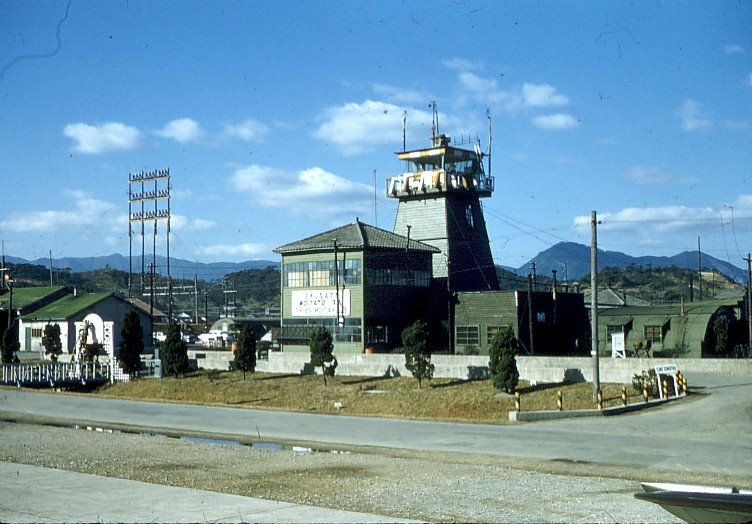
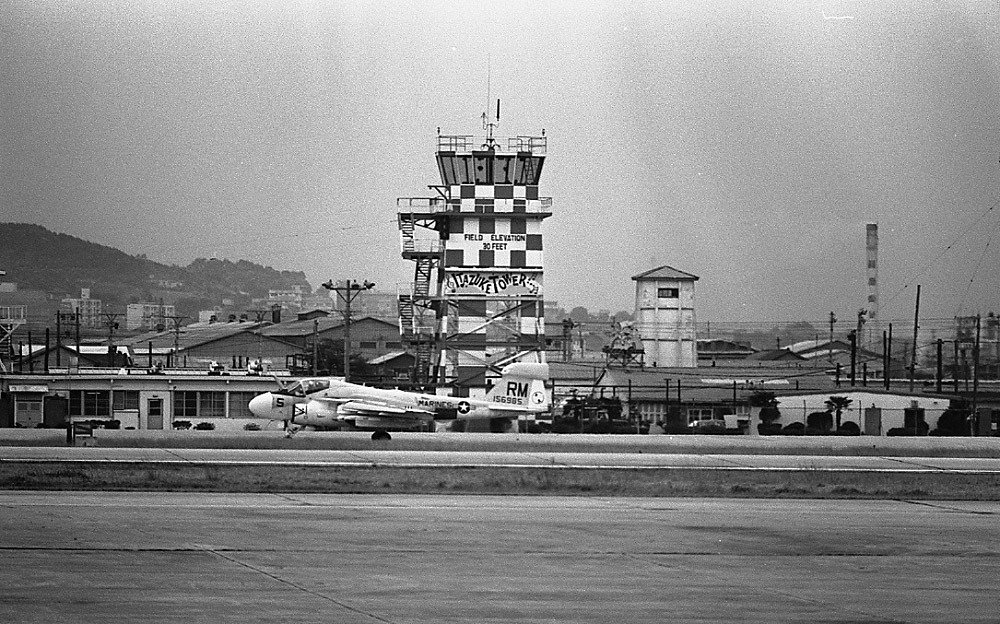
The Itazuke Tower sign is a five-foot high, 18-foot long, half-ton sign that originally adorned the control tower at Itazuke Air Base in Fukuoka, Japan, and became famous for the song “Itazuke Tower” published during the Korean War. The sign was sent to the National Museum of the United States Air Force at Wright-Patterson AFB in Ohio when the air base was phased out by the USAF in 1971.
The base itself, originally constructed in late 1943 by the Japanese Army Air Force as Mushiroda, served as a key airfield for the 8th Tactical Fighter Wing and played a critical role in the Korean War starting in 1950. The song “Itazuke Tower” became a traditional Air Force anthem, with parodies circulating among pilots and support crews, and the sign was a recognizable symbol of the base’s identity during its operational years.
The song or ballad, which is usually known as “Itazuke Tower,” was originally called “AIR FORCE 801” by its author, Lt. William F McCrystal, who was in the 80th Fighter Bomber Squadron in late 1948. It was written about his P-51D, No. 49-73801. The original words as recalled are below.
“Listen to the rumble, hear old Merlin roar
I’m flying over Moji, like I’ve never flew before,
Hear the mighty rush of the slipstream, and hear old Merlin moan,
I’ll wait a bit and say a prayer, and hope it gets me home”(This is the first for most recorded versions)
“Itazuke Tower this is Air Force 801,
I’m turning on the downwind, my prop has overrun,
The coolants’ overheated, the gauge says 121,
You better get the crash crew out and get the on the run”“Now listen Air Force 801, This is Itazuke Tower ,
I can not call the crash crew out, ’cause this is their coffee hour,
You’re not cleared in the pattern, that is plain to see,
So take it once around again, we have some VIP.”(Original verse)
“Itazuke Tower, this is Air Force 801,
I’m turning on my final, I see your biscuit gun,
My engine’s running rougher, my coolants gonna blow,
I gonna buy a Mustang, so look out down below.”“Itazuke Tower, this is Air Force 801,
I’m, turning on my final, I’m running on one lung
I’ve gonna land this Mustang, no matter what you say,
I’ve got to get my charts fixed up before that judgment day.”“Now listen Air Force 801 this is Itazuke Tower,
We’d like to let you in right now, but we haven’t got the power,
We’ll send a note through channels, and wait for a reply,
Til we get permission back, just chase around the sky.”(Last verse on most recordings)
“Itazuke Tower, this is Air Force 801,
I’m up in pilots heaven, and my flying days are done,
I’m sorry that I blew up, I couldn’t make the grade,
I guess I should have waited till the landing was okayed.”(Original last verse)
“Air Force 801, this is that judgment day,
You’re in pilots’ heaven, and you are here to stay,
You just bought a Mustang, and you are here to stay
The famous Air Force 801 was sent straight down to hell.”
— Courtesy of Richard Seely
Personal collections capturing life on Fukuoka's US military bases, 1945-1972.
Itazuke Dependents School History
The Itazuke Dependents School (formerly Itazuke Elementary School) operated from 1946 to 1972, serving military dependents and civilians on the Itazuke Air Base near Fukuoka, Japan.
Founding and Early Growth
The school was originally activated in 1946 within two rooms of the Headquarters Building, starting with 30 students and 2 teachers. By November 1947, it moved to a new location with five classrooms and an administrative section, serving fewer than 100 students across grades one through six.
Expansion to K-12
In 1952, the school expanded significantly to become a Kindergarten through 12th-grade institution after the Fukuoka American High School was deactivated and merged with the base school. Enrollment surged from about 200 students in 1952 to over 650 by 1955-56, eventually reaching 938 students by the 1958-59 school year.
Facilities and Curriculum
During the 1950s, the school added a new high school building in 1953, remodeled an old hospital for intermediate grades in 1955, and completed a first-grade wing in 1957. The curriculum included 48 classes for high schoolers in 1955-56, featuring new courses in home economics, instrumental music, and Japanese, alongside a National Honor Society and a school newspaper called the *Cobra Charmer*.
Reorganization and Closure
In the 1962-63 school year, the institution was split into two separate entities: Itazuke Elementary School and Itazuke High School. The school closed permanently in 1972, after which the Fukuoka International School (FIS) was established to continue educating foreign residents and dual nationals in the region.
See also former student Joe Boling’s account: Dependents’ schooling around Fukuoka 1947-1972
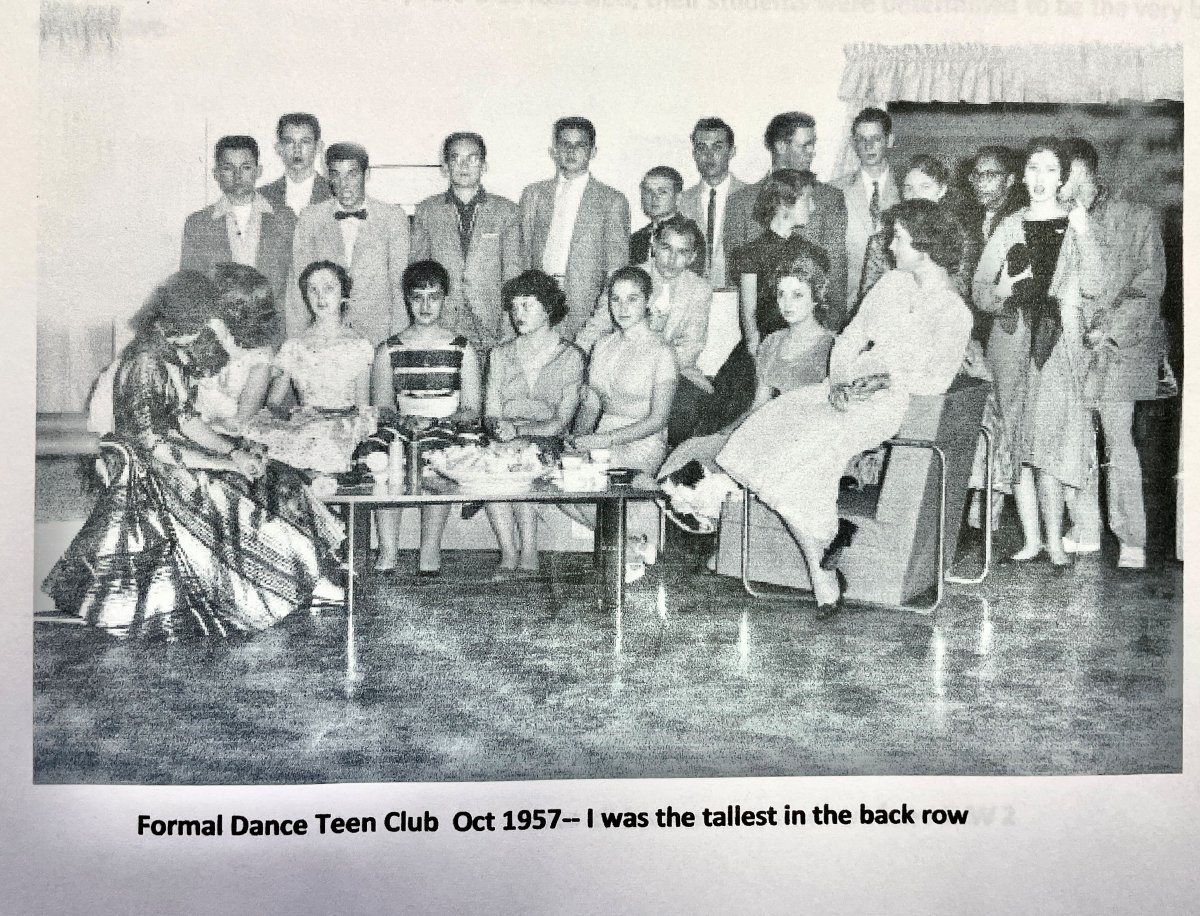
Richard Bird, 1953-1954 – COLLECTION
Lived at Itazuke in 1953-4. My father, Colonel A. J. Bird, was the Base Commander at Itazuke from 1952-1954 and died while we were there. I was 12 at the time. I’ve got no personal contacts from that era, but my first ever girlfriend was Judy Fister. My father was there for a few months before we arrived, on a ship from New York through the Panama Canal, in 52, and we lived for several months off base in Fukuoka at the home of the Nakashima family, who were good friends of my family. I was only 10 at the time and most of the memories have faded, but it was quite the home. I have many pictures. We then moved to the Base, and lived in a white house on a hill, which was the commanding officers residence I believe. I have memories of the Major league All-star baseball team being there and being escorted around by Yogi Berra, Bob Feller, and Robin Roberts. Joe Dimaggio and Marilyn Monroe came there on their honeymoon also. I did the obligatory climb of Mt Fuji, and while on a boy scout jamboree near Tokyo the camp got wiped out by a typhoon. I have a model of a F-86, made somewhere in Japan, with my Dad’s name as pilot and me as Radio Operator painted on the side. They were new to the base in like 1953. My father was actually a bomber pilot, and worked mostly with MATS I am told.
The whole story of my going to Japan is like this: My father was there for a few months without the family. In June, 1953, there were serious floods, and as CO my father sent some rescue efforts out and, I have a letter from Katsiji Sugimoto, Governor of Fukuoka Prefecture, thanking him for his efforts. My Mother had this framed and I still have it. Some how, the Nakashima company (which I recall had something to do with mining) was a principal beneficiary of these efforts, and he asked my father if there was anything that he wanted. My dad told him that what he wanted was acceptable off-base housing so the family could come over early. The Nakashimas said we could live in their home, as they had another in Tokyo. It was actually a palatial mansion, not just a home. I am sure it is still there although I have no idea as to it’s address. It was a walled compound with something like 30 rooms. We had formal gardens, six servants, including a maid that just worked in the bath to scrub our backs!!! After a few months there, we moved to the CO residence on base where we remained until his death.
David Gibson, 1955-
I was raised in Japan with a Japanese stepmother and speak Japanese. Have returned home many times to visit. Was also in the Army 1967-70…Viet Nam 68-70. One thing that I discovered from my close Japanese friends and relatives is that the vanishing of the bases was a way to wipe clean the shame of the occupation. Japanese refused to patronize the bars in Shirakibaru and Kasugabaru. It was like a ghost town when I went there in 1970 and even more so in 1973 and 1974. They even had places that were “No Foreigners allowed” in down town Hakata and Fukuoka area. I even understood this from a Japanese point of view…many young GIs were drunk, rowdy and disrespectful kids away from home in America. I lived off base in our home that we built and owned, but attended school at the base and had friends at all bases there. Fukuoka was the gateway to Japan for the military. With that in mind I am sure that all planes landed there. There was even a song on a record called Itazuke Tower. My Dad was initially stationed there in 1955. Of course most of the planes in the 1950’s were jets, like the F-100. Itazuke was winding down in the later 60’s. I went to the base and visited the HS at Shirakibaru in 1968, but by 1970 if I recall it was like a ghost town already, 99% of the bars were closed. Japanese would not patronize the places Americans hung out and the women migrated to naval bases, etc. In 1969 I caught a hop from the airport to Tokyo. If I recall it was a C-147. I guess you know all of the kids went to school on Itazuke at Shirakibaru, even the ones from Shikanoshima. Most of the Army guys like me went from Oakland etc. Early 60’s some of the air police were being sent to Nam from Itazuke, like around 1965.
David Sconyers, 1956-1959
When I came to Japan in June of 1956, my father had just finished building the 14th USASA Field Station, located at Camp Hakata (it had been the 7202 USASA Det). My dad, an Army Lt Col, was the first CO of the Field Station which was a radio listening post for monitoring and translating electronic intercepts from Communist Chinese transmissions. The golf course was severely compromised by the “antennae field” which was located all over it. I used to play golf there (I completed my last 3 years of high school and graduated from Itazuke HS in 1959) and remember the balls constantly caroming off the 200′ high antennae.
When we came to the base, it was CAMP HAKATA. Much of it had been an evac hospital during the Korean Conflict. Shortly after that, the USAF took it over and my father’s outfit became the largest unit stationed at BRADY AIR BASE. The first base commander was a USAF Major named Baldwin, the second was Lt Col Don Ventriss. I’m married to his oldest daughter.
What you describe in your e-mail to John are two different facilities. BRADY FIELD was the inactive airfield and former airport. It was outside Gannosu and, except for a small fire truck det., there were no personnel stationed there. It was often used by the USAF for air cargo training drops – I remember C-119s flying over and dropping large parachute pallet loads. The FIELD was also used by the AIR BASE Pony League baseball program for a while in 1957 and 1958. There were large hangars, associated buildings and the airstrip. All appeared to be in pretty good condition. BRADY AIR BASE was a residential site, primarily housing my father’s Field Station, the 802d Engineer Battalion (Army) the USAF Base det. and many Itazuke personnel who rode the “work bus” from BRADY AIR BASE past BRADY FIELD through Fukuoka and on through K-Bar to Itazuke (about an hour on the road).
So, John O’Brien’s house was at what had been Camp Hakata and what became Brady Air Base. Yes, there were seaplane ramps on the bay side. The Crash Boat Det. used that area as their base of operations. It was not far from the Base gym. Saitozaki was just outside the back gate. I spent some wild times there as a rambunctious teenager on the run from APs who were just a few years older then me. During an MPC change in 1958 I remember the whores and “shackjob” girls from Saitozaki standing desperately at the fence around the golf course trying to get someone to take their MPC (which they were not allowed to have) and change it for them.
Joe Boling, 1957-1960
5/18/2026, 8:51 PM
I don’t have time to go completely through the site, but it’s lovely. Thank you for the effort. I was in HS there 1957-60, graduated 1960 and went to MIT (the second IHS grad to go to MIT). I have been involved with IHS reunions since the big one in Houston in 1987.
Doug Myers Jr., 1960-1964
The set of woods to the right were in front of the officers quarters leading to the beach house and swimming area that had the floating dock.
We lived in a 2-story place in front of the Base Commander quarters playing regularly in the woods both by the school as well as the “deformed” woods with the tall sand dunes you spoke of behind where we lived.
We hung out at the “doors” as well generally covered with sap. One day the doors were opened enough to go inside, Dad and one of his buddies went with us and our friends, they had long since been emptied except for empty wood crates that did indeed have ammo in them at one time but nothing large caliber.
Additionally we would climb the clay cliff at the base of the Officers Club, stroll out onto the reef when the tide was low, scoop up “glass ball” fishing net floats after storms off the beach giving them to my Mom and dig for clams with our friends, roasting them on the beach when Dad & Mom, and his fighter pilot buddies & wives decided to party on the beach (frequent).
We were allowed to go to the beach and swim as long as four or more of us went together as we had all learned to swim at Itazuki O club pool in swimming lessons then Dad certified we could actually do so safely.
Being one of seven brothers we roamed the base at will, climbing one wall to get out, running across the 2-lane road separating the halves of the base, climbing over the other to get access to the theater for Saturday matinee after judo practice, always thinking we were getting there faster than crossing safely.
I started 1st grade there (1960) finishing 4th before we returned state-side to Alexandria, Louisiana, at now long-closed England AFB, Dad did his 1st of three tours flying fighters in Vietnam from there.
I have long remembered those days and the fun we had, with the freedom enjoyed that seems to be absent now from society. A decade ago I came across photos of Brady from 1960-66 on a website from a guy that was there then returned after closing before demo, I believe his name was Wes and did they bring back a flood of memories, it was wonderful, downloaded all of them; at some point that laptop crashed they were not recoverable. I don’t believe that site is active any longer as I looked but never did find it again.
I ran into several childhood friends over the years I grew up with at Brady, mostly the girls in the families that did what Dad did, 2 are still in-touch after all these years and our own families. Mom passed a decade ago, Dad is now 94 and still vertical as he says, although he is the last of his 30-year career close friends beginning in WWII, then Korea then Vietnam.
Brady was a wonderful Disney Land place to grow up in, I still think about the place to this day. (From Station Hypo website, 16 February 2021)
Larry Retzack, 1966-1968 (music teacher)
First came to Japan in 1966 and taught music for 2 yrs. at Itazuke. Then 1 yr. in Goose Bay, Labrador, Newfoundland, Canada, before the next yr. in Tokyo at Green PK and Chofu Elementary. Then 4 more years of grad school and returned to Japan in 74 to work on my dissertation for Northwestern U. Gave up and am an ABD. Lived on a cultural entrant’s visa — 4-1-8 — for about 6 months and was DYING to get back under SOFA. But I should have returned to the States and reapplied for DoDDS. As a “local-hire” for 20 yrs. I lost around $300,000 of entitlements. The Air Mobility Command passenger terminal is on the SW side of Fukuoka airport. When I flew back from there on a C-130 via Iwakuni last Aug., it looked like there was a HUGE new commercial airport being built on the W side. The AMC facility is VERY small. According to the AMC directory, the terminal has only a couple small rooms, some very limited hangar space, and parking for a couple cars. I was dropped off at the airport S entrance, showed my ID card, and a Japanese guy driving in gave me a ride to the AMC terminal. It’s about 2 rooms and a toilet. A bus brings people from Sasebo up there for Space-A flights.
John O’Brien, 1950’s – COLLECTION
Re: Hakata Dependents school. As I recall, it went only to 6th or 7th grade (at most) and all of us “older” students were bused to Itazuke to attend the school there. The ride took about 1 hour each way and we had some pretty wild times on those bus rides. I feel sorry for the poor airmen who had to drive us. We didn’t harass them or anything, but kids will be kids. Especially pubescents. I think most of them enjoyed the driving as they got to know some of the girls. Oh, back to the school at Hakata. My sisters both attended the school and if they are like most of the other kids there, they are not very interested in renewing old acquaintances. They were just too young to have had the same lasting experiences which the older kids had. Like young love and teen club 3 or 4 nights a week; scout trips to climb Mt Aso and Mt Fuji. Hayrides to the scout camp beach which was even nicer than the beach at Brady. Basketball trips to Saga City. Scout camp at Sasebo, dances at Ashiya. (on and on).
Bob Marco
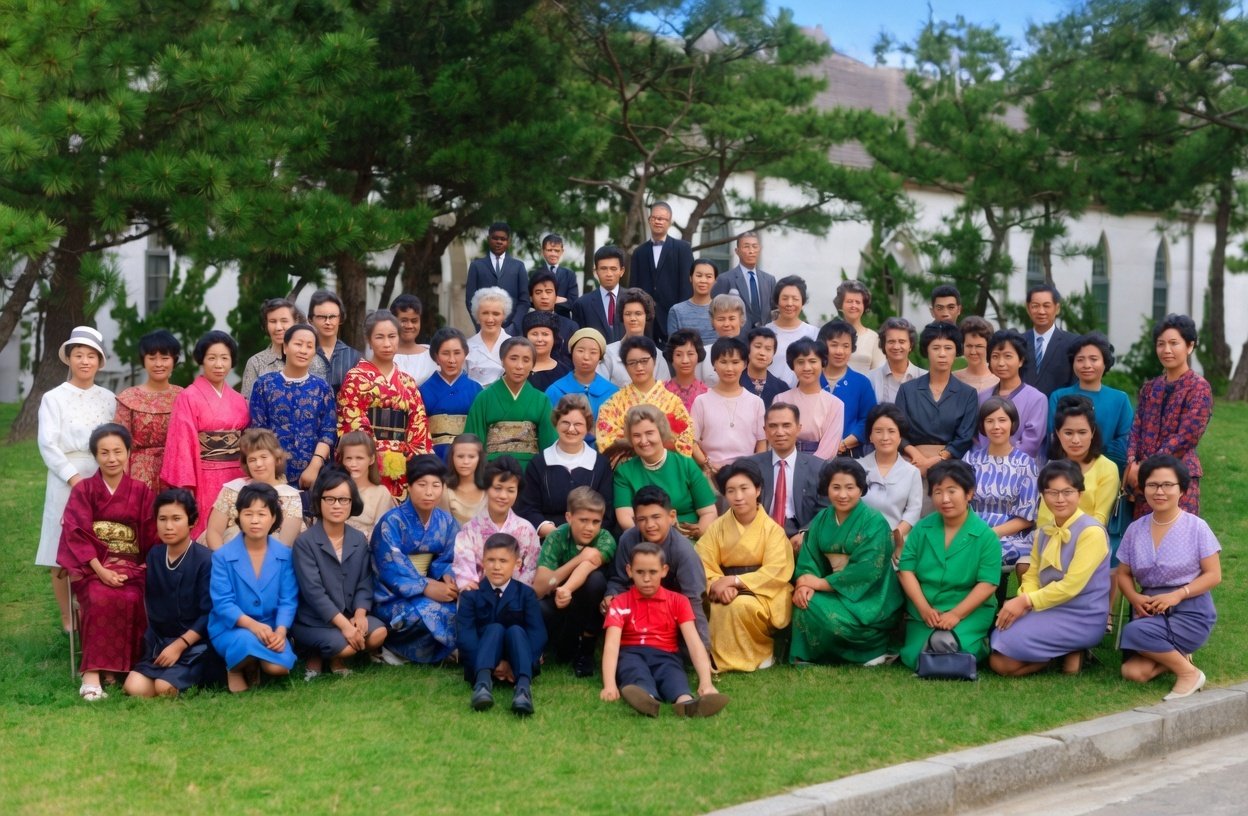
To answer your question about where did i live; first i lived in Takamiya and that’s the first place that i want to visit when i go there. I know exactly where our house was located and of course know the way by heart from the densha [train] station. Then we moved to the middle of the rice paddy between S-bar [Shirakibaru] and K-bar [Kasugabaru], just outside the “back gate” that was behind the swimming pool. Later we moved on base and lived in the “new area” which was across from the base pool. If the roads are still there, i could find my way around, i think. Looking at the aerial photograph of part of the base that is on the alumni site was taken after i left because there seems to be apartments or barracks on the road going from the west gate up to the pool and new area and also in from of the chapel. Is Dazaifu the same, the shrine and park? I have so many slides of there, as it was a great place for a family outing. I did not go to the reunion because i was in Brazil i have been wondering how difficult it would be to locate someone when i go there. Just a little background and you tell me if maybe it’s possible. Our landlord in Takamiya was the Mitsuyasu family, the elder had at one time been the president of the Kyushu Electric Company. He had one son, my parents age i imagine so would be in his 70’s now or deceased. He, his wife and three children, a boy and two girls, lived with his parents in a large home next to ours. Keiko was my age, Kochan (Koichido) was a couple years younger and Tamiko, i think that was her name, was the youngest. Years later, I’ll have to look up the letter and photo, someone wrote to me and told me that Kochan was a lawyer for Bridgestone Tires in Tokyo. Since we lived next door to each other, they were my first playmates and i used to spend the night at their house. I also went on a trip with them one time to visit their mother’s family, further south, in the country at a place named Shiraki. Oh what memories. I won’t bore you further.
Barb Galloway Berry, 1967-1971
I consider Japan my home, even though I haven’t been back since I left. But it was the last time I lived at home, so maybe that’s it, in addition to the fact I think it is a beautiful country, love the customs, love the people, LOVE THE FOOD! I lived at Brady 1967-1971 but attended all 4 years of high school at Itazuke. We lived at 902 Mater Drive, the house on the corner immediately opposite the NCO Club and the Tennis Courts on Mater Drive. If you were coming down the street from the GI housing to family housing, our house was on the left corner. Also, my dad was Ernest Galloway, USAF, 6918th Security Squadron. He was the Non-Com for Charlie Flight.
Korea Memoir by Harold Fischer – Itazuke mentioned a number of times
Itazuke Alumni Association – Itazuke Dependents School website
“One Minute to Zero” (1952) – Has actual footage of Itazuke and Brady?
Itazuke – Fukuoka by Bud Farrell
Veterans Network Itazuke Air Base (Together We Served)
Facebook groups?
Digging thru the past...
And sharing it with the world
fukuokabases@use.startmail.com
Wes Injerd 2026. All Rights Reserved