A Look at U.S. Military Bases in Fukuoka, Japan, 1945~1972:
Their Influence and Heritage
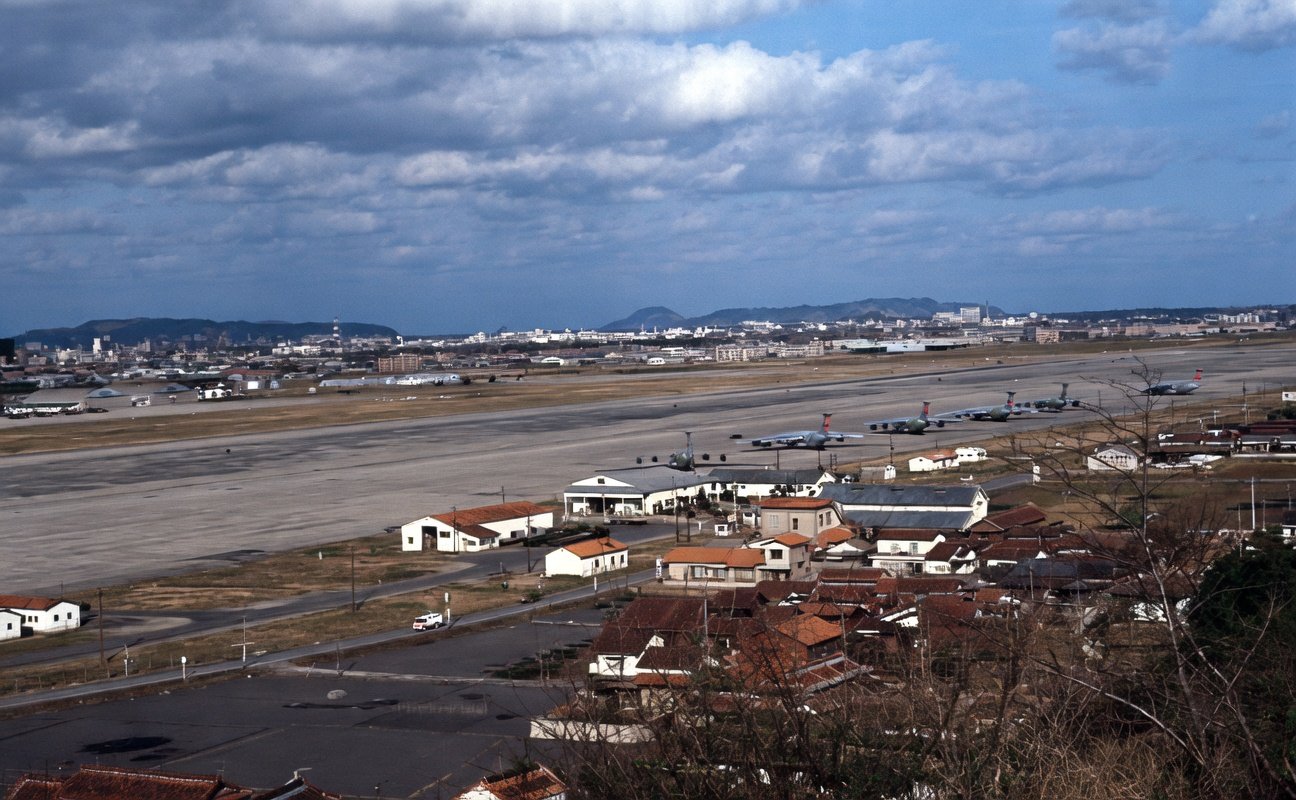
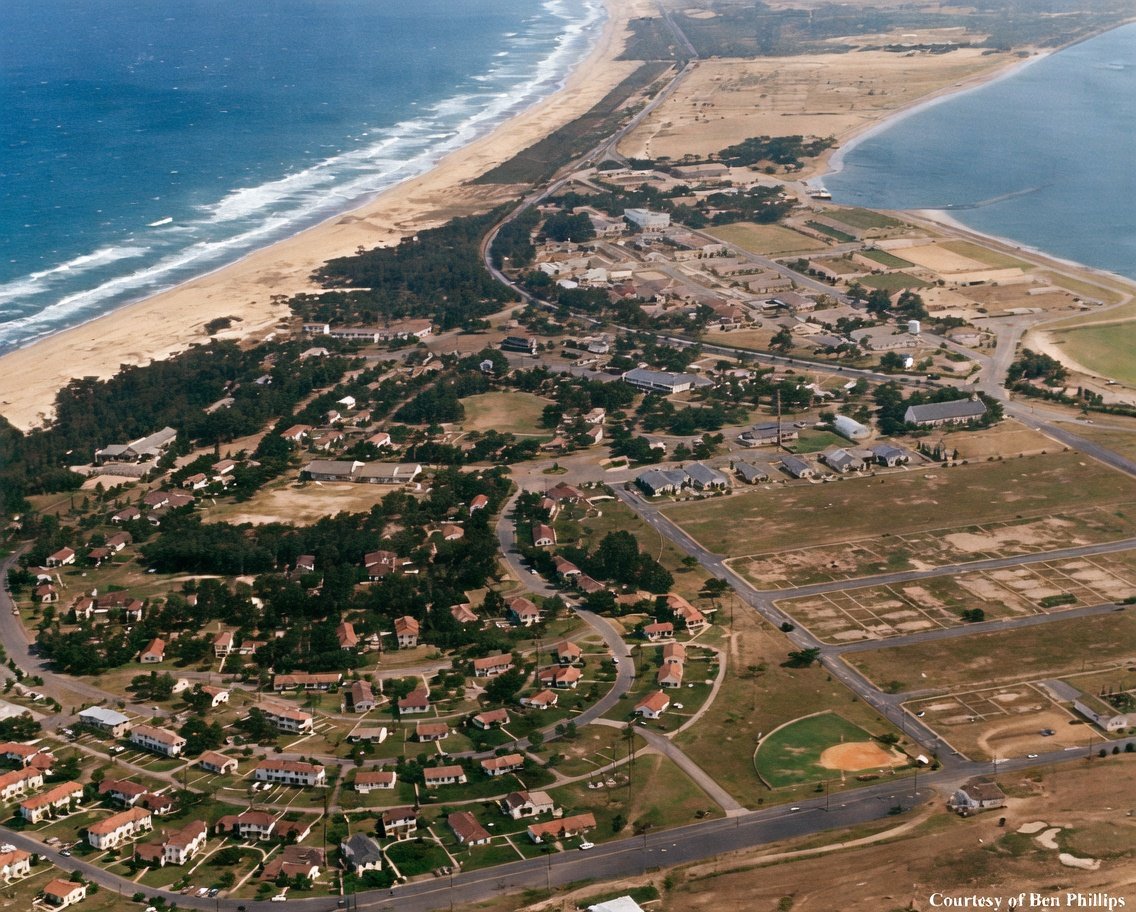
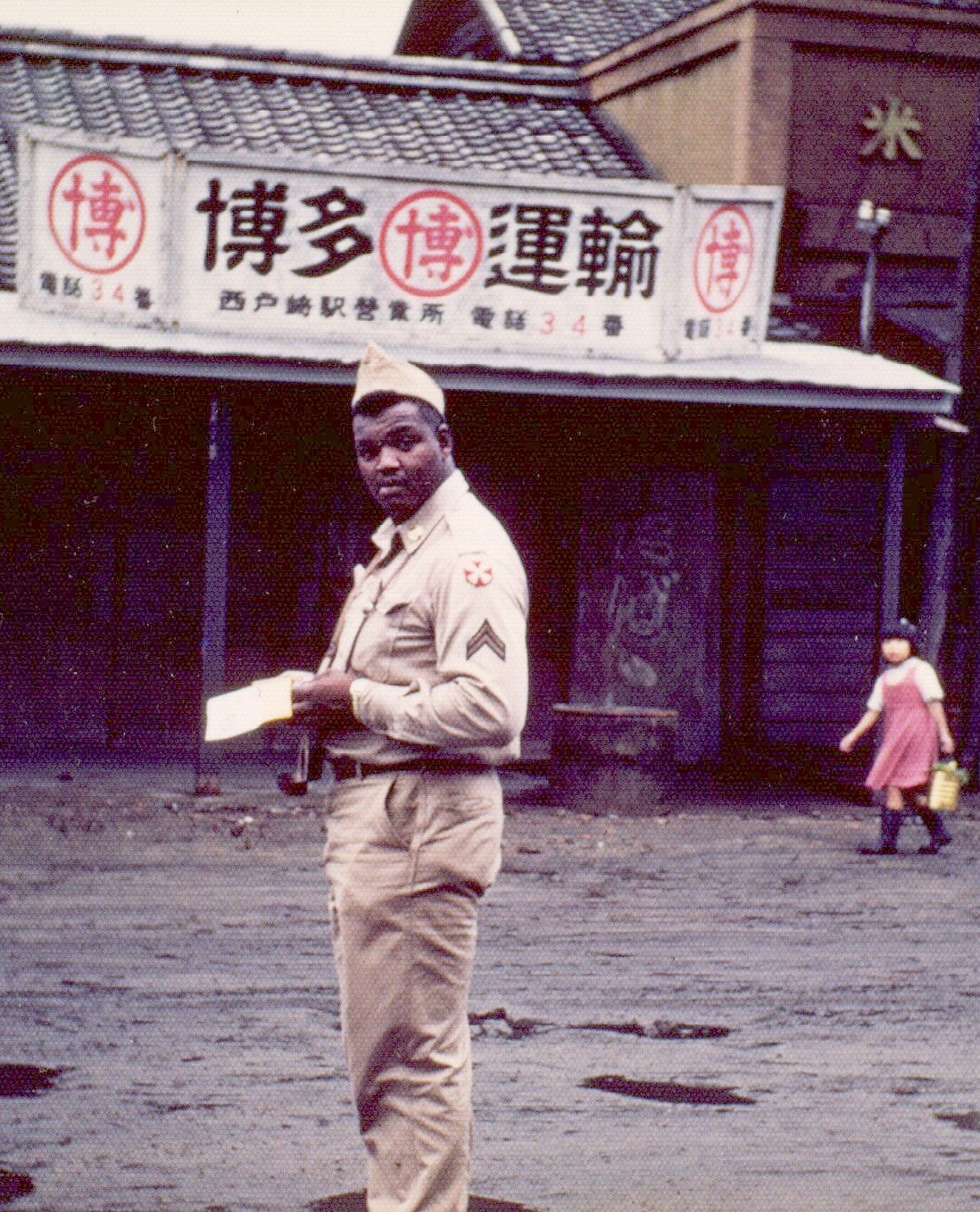
From 1945 until June 1972, US Forces were stationed at a number of bases throughout the Fukuoka area, mainly in Itazuke and Saitozaki. During this time hundreds of thousands of military personnel and their dependents either lived in or passed through this city, employing tens of thousands of Japanese nationals. (NOTE: The last personnel of the USAF Air Mobility Command and the Communications Group left Itazuke in June 1981.)
It was a boom town of “Amerika-jin.” The bases gave the city a mini-American society, contributing to the clean-up & support efforts immediately following World War II — clearing Hakata Bay of mines and sunken ships, re-connecting power and communication lines, giving out much needed food and medical supplies — and greatly boosting the economy of the area in the next decade and a half. The bases also helped establish a new culture in the land.
No one will ever know just how much influence these bases had in this small corner of the country. These pages are an attempt to reveal a history that is practically unknown to the younger generation here…..the good times, the fun and excitement, the tragedies and hardships, memories of the way life was back then…..and how it changed people forever.
Of all the archaeological sites in Fukuoka, one of the oldest is Itazuke, dating back to around 2,500 years ago. There are, of course, many archaeological finds showing that the whole area was occupied from even before then, but the Itazuke site is recognized as “the oldest known rice-growing village site and the oldest known moated settlement in Japan.” There is, incidentally, an old burial ground just to the south of Itazuke called Kanenokuma Burial Site, where nearly 350 large burial pots were found, containing skeletal remains of 136 individuals from the Yayoi Period (300 BC to 300 AD).
Hakata has always been an area of international trade and commerce since the earliest history of Japan recorded in the Nihon Shoki. Some 2,000 years ago, the Fukuoka area was known as the Land of Na. Fukuoka is famous for its “golden seal,” an inkan made of gold with the inscription, 漢委奴国王 (Kan no Wa no Na no Kokuo), meaning “King of the Na state of Wa under the Han Dynasty.” That inkan was found in a rice field on an island called Shikanoshima, known to many of you who were stationed in Fukuoka, especially at Brady Base.
Another important event in the formation of Fukuoka was when Shogun Ieyasu Tokugawa awarded the whole Chikuzen Province to Nagamasa Kuroda (Battle of Sekigahara commander and a “master castle-builder”), who then built Fukuoka Castle with the help of his father, Kanbei Kuroda (famous strategist to Hideyoshi Toyotomi, the great unifier of Japan). The castle was completed in 1608. Though not much remains of the actual castle itself, there are parts of the walls and structures which are worth a visit.
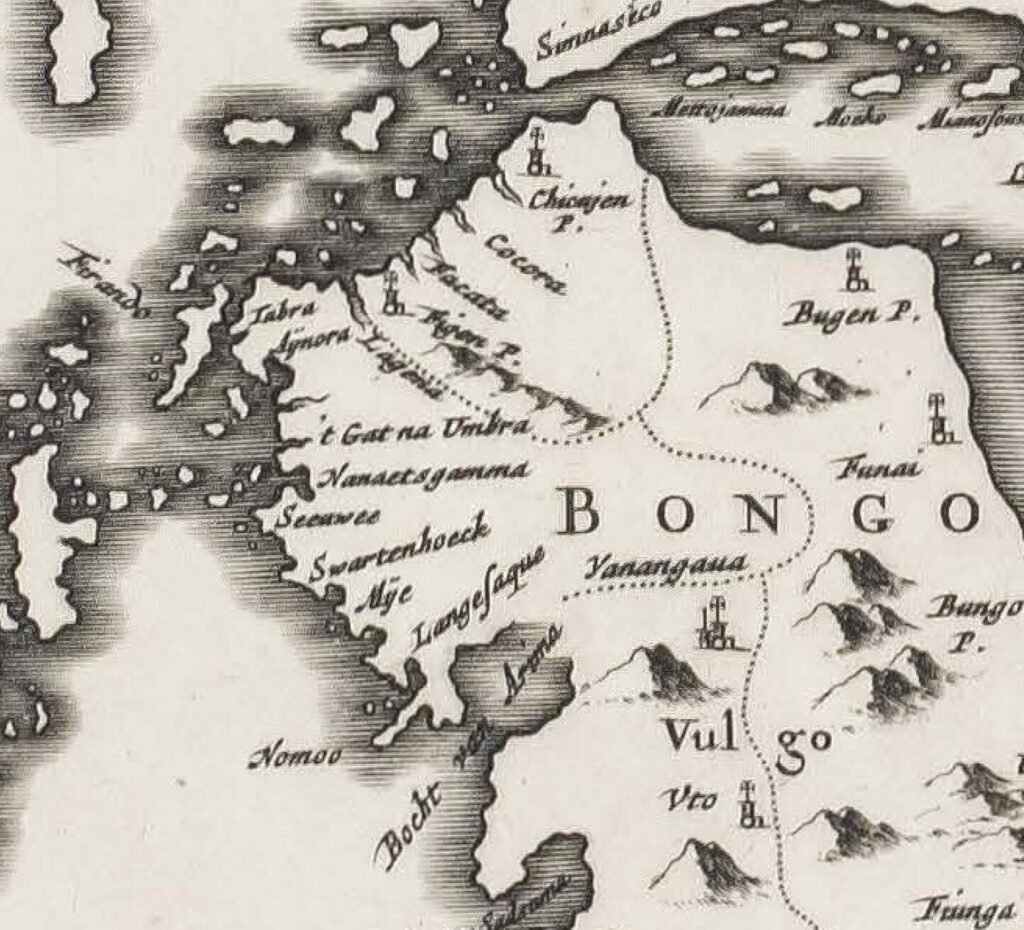
Kuroda first went to Najima Castle, which was located on the hill above where yours truly first lived back in the mid-70’s, but the location was not suitable for a large castle, so he chose a district called Fukusaki where the old Korokan site was (Kuroda transported one of the gates at Najima to the new castle, Sannomaru section). The commercial area around the main station was originally known as Hakata (on 17th- and 18th-century Western maps spelled Fakata or Facata, and even Vaccata), and Kuroda named the castle area, Fukuoka, after the name of his hometown in Okayama Prefecture. In 1889, Hakata and Fukuoka became a single city, Fukuoka.
The first Westerners to reach Hakata were the Portuguese. Francis Xavier stopped in Hakata while enroute to Edo (Tokyo) from Hirado in the fall of 1550, where they visited Shofukuji Zen Temple. Francisco Cabral, a Jesuit missionary, arrived sometime after 1570. Cabral invited another Jesuit missionary, Gaspar Coelho, to Japan, and a church was soon built by the Jesuits on land where now stands Kushida Shrine. It was in Hakata Harbor in July 1587 that Coelho had a talk with Hideyoshi Toyotomi on board Coelho’s ship. Probably due to this discussion and many other troublesome issues the Jesuits had caused, Toyotomi soon issued his infamous Bateren Edict in which all Jesuits were ordered to leave Japan.
Another European who came through Hakata during one of his trips was Philipp Franz von Siebold in 1823. You can read more about him here in this short bio I wrote. There have been a number of other people of reknown who have come through Fukuoka, such as Albert Einstein (1922) and Helen Keller (1937 and 1948). Charles Lindbergh along with his wife flew into Fukuoka on their plane, landing at Najima Seaplane Port in Sept. 1931 (video of arrival in Tokyo).
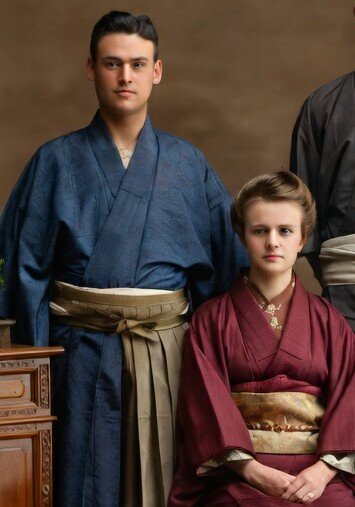
What I view as the greatest influence the city has known via Westerners was the arrival of Protestant missionaries who were deeply involved in educating the youth of Fukuoka. Of note is the founder of Fukuoka Jo Gakuin (Methodist women’s college), Jennie Gheer (1885), and the founder of Seinan Gakuin, C. K. Dozier (1916), and his son, Edwin, who had a great influence on Fukuoka (also helped out US military intelligence as an interpreter and translator on Hawaii during the war, including interpreting for POW #1 Sakamaki). My wife and I had the privilege of working for a short time with Dozier’s daughter, Helen, and her husband, Timothy Pietsch. Timothy’s story is quite interesting… see here and also this special page on the Pietschs. Gheer, incidentally, had helped found Kassui Girls’ School in Nagasaki. The “sailor uniform” worn by Japanese girls at schools throughout Japan was first introduced in 1921 by one of the missionaries at Jo Gakuin, Elizabeth Lee.
World War II really changed Fukuoka. In 1940, the city became home to the Western Army Headquarters Air Defense Operations of Imperial Japan, having moved there from Kokura in northern Kyushu, It was tasked with the defense of Kyushu and Western Honshu, and towards the end of the war, was heavily fortified in preparation for the pending Allied invasion of Kyushu and central Honshu, known as Ketsugo (Occupation Forces later found huge stashes of ammo, weapons, and aircraft in the Fukuoka area; see Report link below). Some of the airfields were used to train kamikaze pilots, such as at Tachiarai, and even the large airfield at Saitozaki.
The first Fukuoka Occupation Forces (FOF) arrived at Kashii Station in Fukuoka on Sept. 29, 1945, an advance cleaning and sanitation party from Ainoura Naval Barracks in Sasebo. The main movement of Forces, comprised of the 5th Marines Division, 5201st Engineer Corps, 28th Marines, 94th CIC and other detachments (total of over 1,300 personnel), was completed on Oct. 1. They remained in force until relieved by the 32nd Infantry Division on Oct. 24, with full operations taken over from the Fukuoka Base Command on Nov. 25, with FOF being headquartered in East Park, Fukuoka, and main Quartermaster billeting, warehouses, and postal services at the Kashii Camp. Other Military Govt. Detachment offices and personnel quarters were at locations such as the Matsuya Bldg., Chiyoda Bldg. and Yamamoto Hotel, with additional personnel utilizing the Hakata Hotel and Kyoshintei Hotel.
In subsequent years, the main military bases in Fukuoka were at Mushiroda (Itazuke) and Brady (Gannosu) Air Fields, Kasugabaru, Shirakibaru, and Saitozaki. All of these and many other sites became locations for the Allied Occupation Forces immediately at the end of WWII; US Forces occupied them until they were closed in 1972. The last of the GSU (Geographically Separated Unit) left in June 1981, though the US military even today uses a small section next to the International Terminal, known as the Itazuke Auxiliary Airfield.
The greatest number of Westerners to inhabit Fukuoka were the US military personnel and their families. It is to remember them, to tell their stories, that I wish to dedicate this website… to keep the memories alive of those days when American bases were once a huge part of Fukuoka life… and to let others know how much they changed Fukuoka, and how much Fukuoka changed their lives.
Fukuoka Occupation Force Operations Report, Sept. to Nov. 1945 (Part A – Part B)
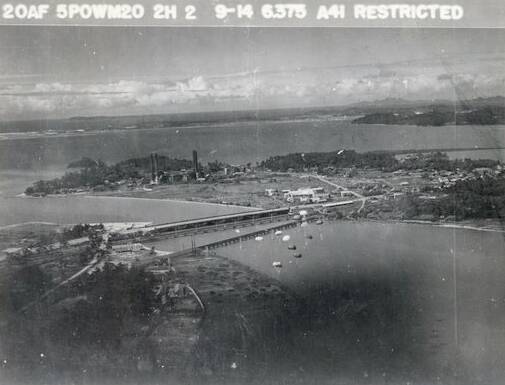
Learn about WWII Fukuoka and the POW camps that were there
An assortment of photo memories of Fukuoka's US military bases, 1945-1972.
Itazuke Air Base (online sources)
Itazuke Air Base and Brady (Facebook and other online sources)
A history collage of Itazuke Airport
NOTE: Filenames (only those which have sufficient info to explain each photo)
are listed on the last page of the PDF’s.
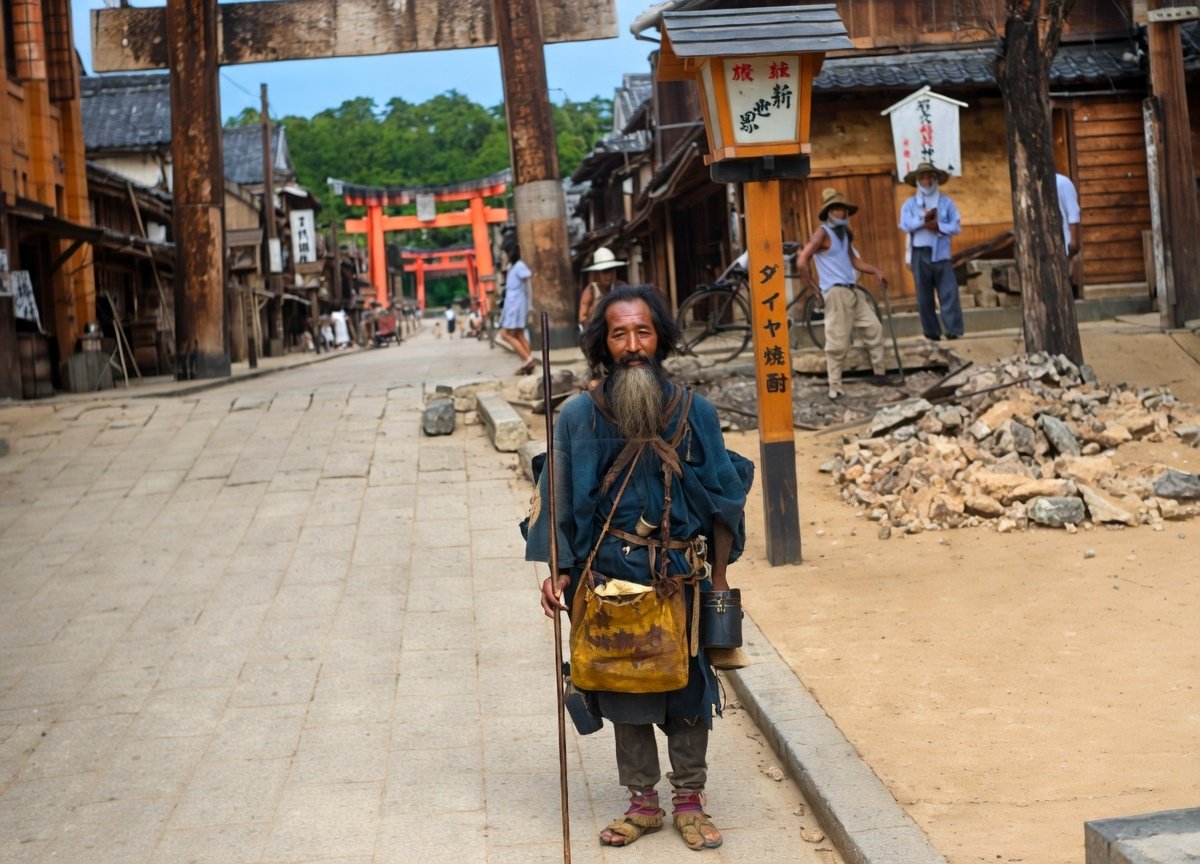
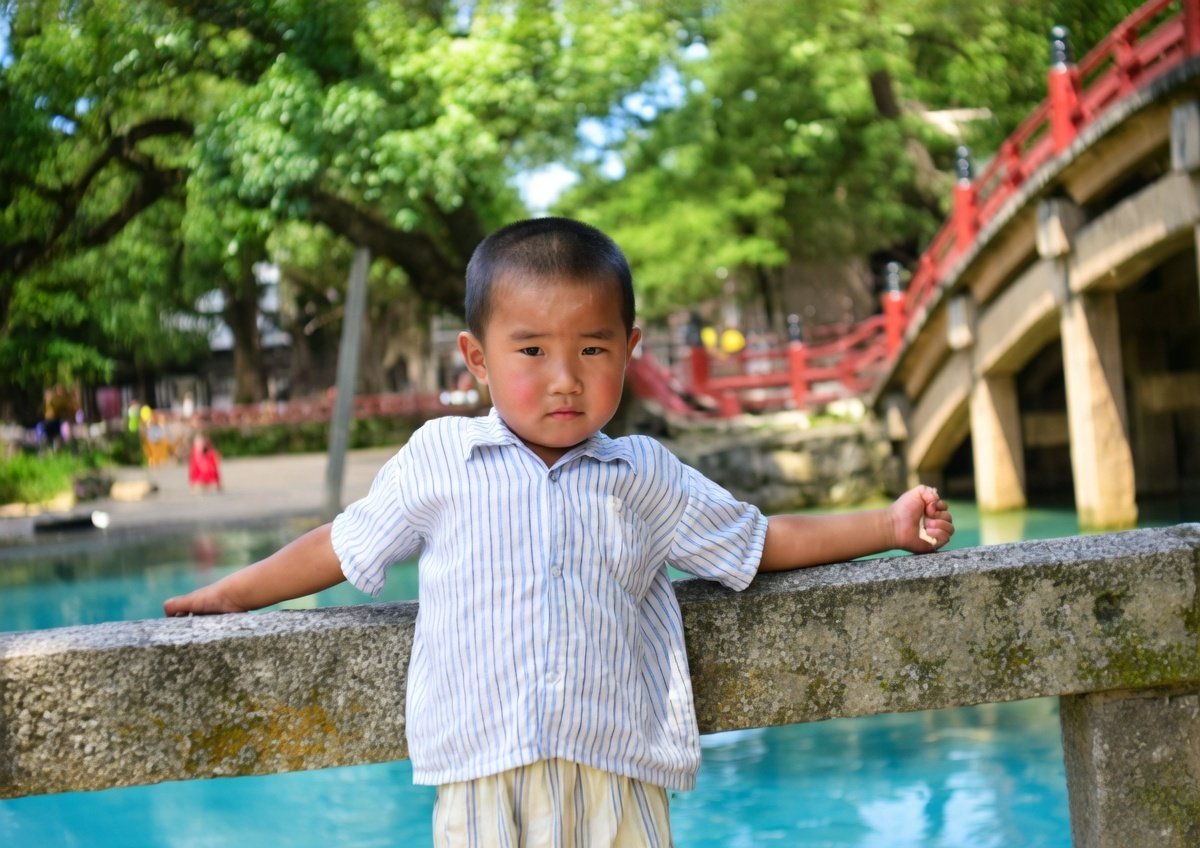
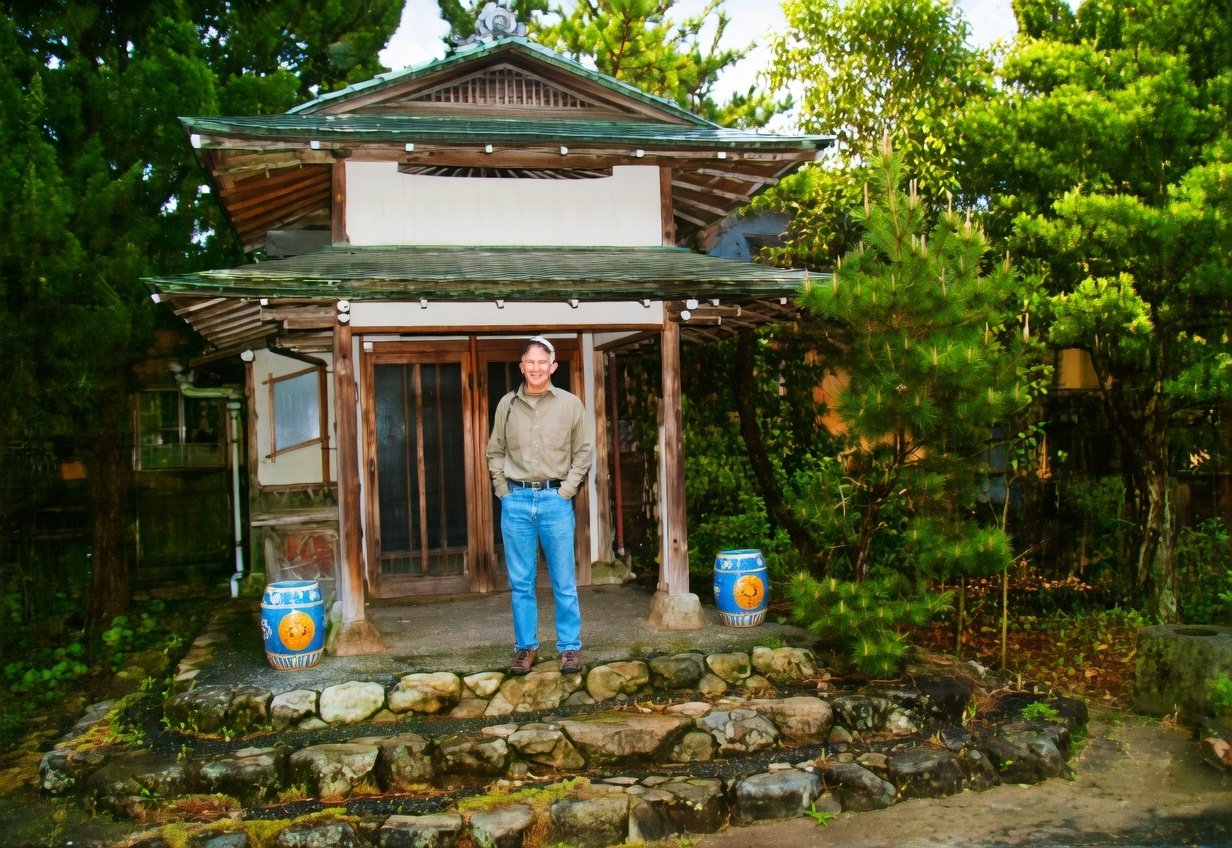
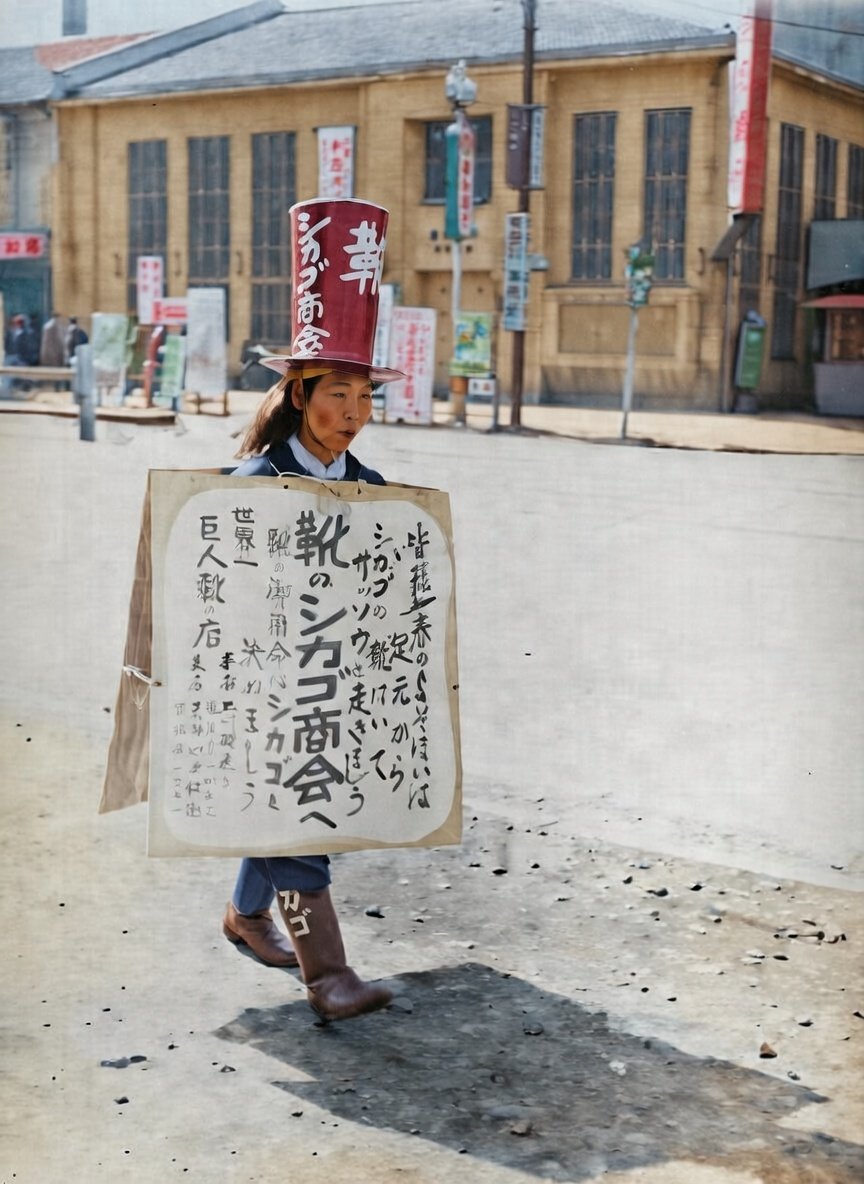
NOTE: Color images are AI renditions of original black & white photos, which can be found in the individual collections. Needless to say, these AI renditions are not 100% accurate in portraying military uniforms, signs, insignia, patches, etc. Please let me know about what corrections need to be made.
As with any of the images shared on this website, if you plan to use any of them for commercial purposes, PLEASE have the courtesy to advise me of your intentions. Permission to use may be required.
日本語訳 ― Braveブラウザをお勧めします。設定>言語から「Brave翻訳を使用する」をONにし、日本語を「Braveで表示する言語」または「翻訳する言語」に設定してください。AIの場合、GrokAIをお勧めします。
From an old email…
3/23/1998, 9:57 PM
FROM: Wes Injerd
TO: Jack B.I don’t know just how much good the US did during the 27 years it was in Fukuoka, but I’ve always sensed the “better” side being there, and that has been gradually backed up by stories and now e-mail messages…
Here’s a very recent message from Chuck Willis:
“The American military presence in Japan actually helped pave the way to Japan’s economic rebirth in the 1960’s. The Japanese had a great laboratory in which to study the American’s buying habits and then building merchandise to fit that need and exporting it. It began first with the optical goods, then about the time we left in 1959, began switching to consumer electronics, and then by the early 70’s into automobiles, tools… and computer electronics were added to the mix. Nearly all of these items were test marketed on the American GI before being sent abroad.”
Granted, a lot of people here grimace at the thought of GI’s stationed here. There were a lot of bad experiences, no doubt, but the overall picture is what I’m after — the US forces in Fukuoka was not in vain, that I’m sure. Just how much good was done is yet to be uncovered.
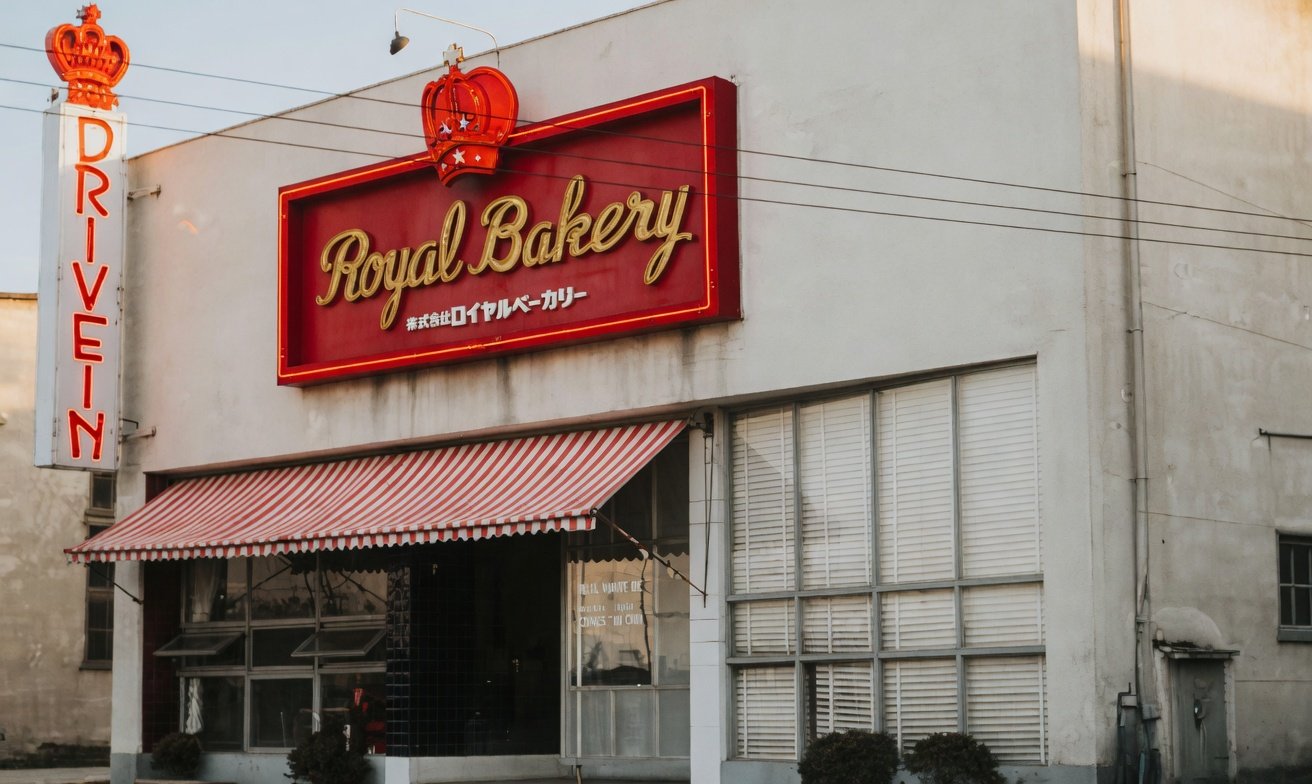
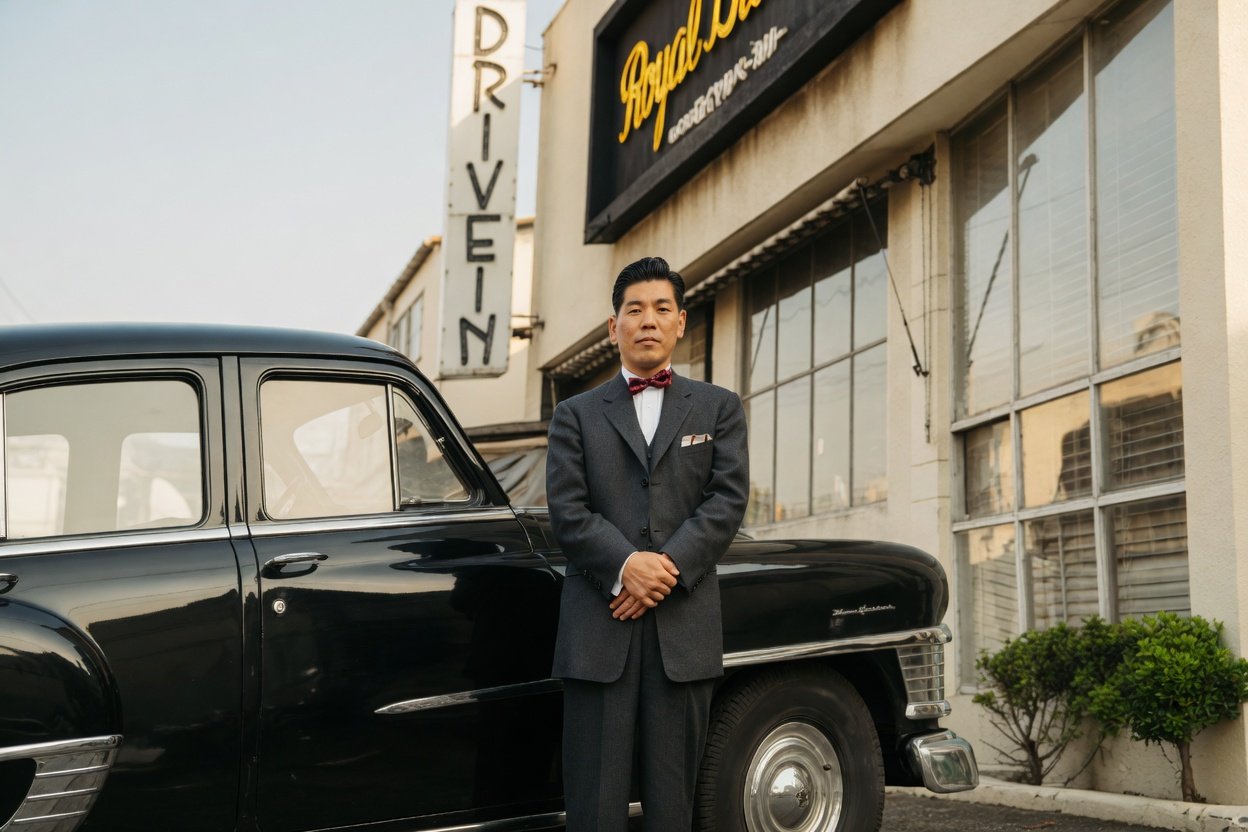
One such story is that of the CEO of Fukuoka’s Royal Host restaurant chain. When the very first Royal Host “family restaurant” was built in the late 1970’s in Kashii near where I lived, boy was I ever happy. It was like America had once again come to our neighborhood. Little did I know then the part the US military had played in helping the founder, Kyoichi Egashira, become well-established in his early business endeavors.
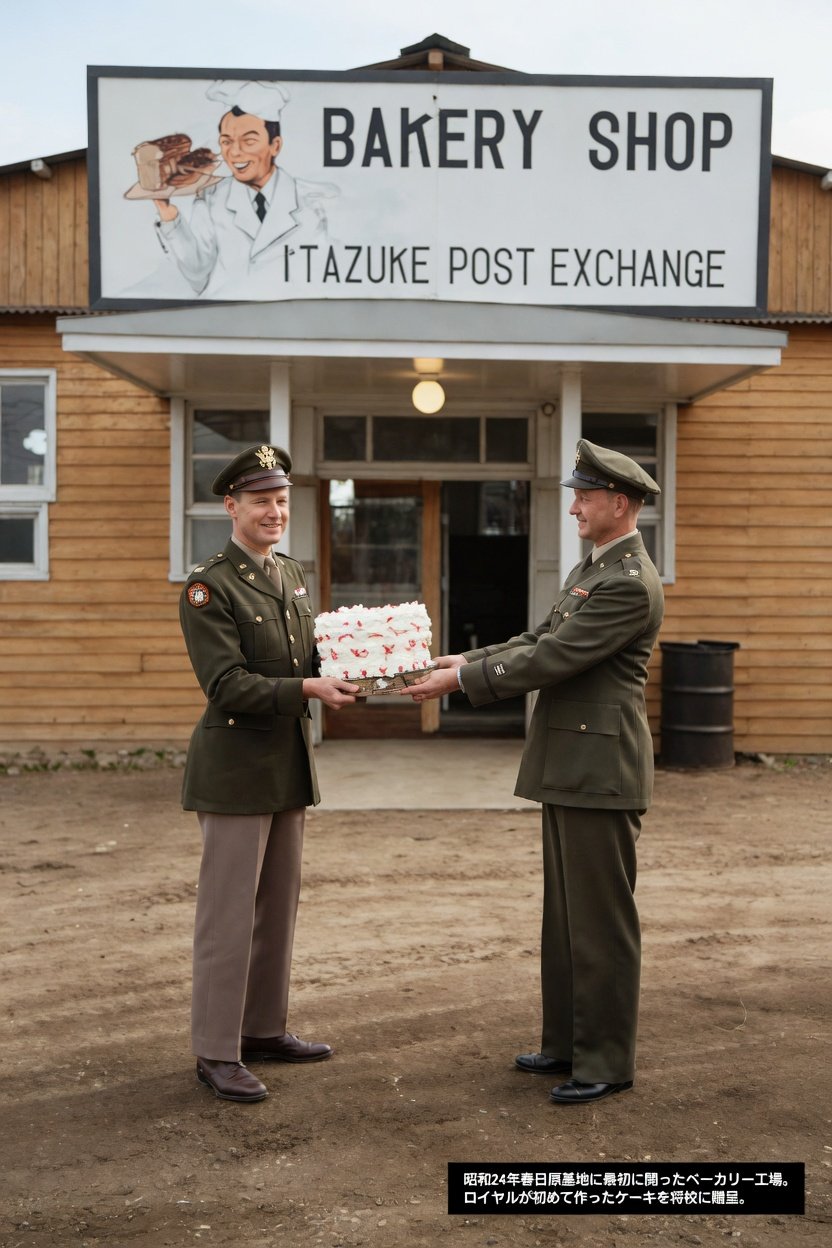
At the age of 23, Egashira began learning how to be a cook at the Itazuke base, and soon people there started to call him “Kilroy” since his first name, Kyoichi, kind of sounded like that — yes, “Kilroy was here,” too. In 1946, he began working as a US military-designated vendor at the PX (post exchange) at the U.S. Army’s Kasugabaru Base. He opened a bakery there in 1949 and soon supplied not only all the area bases with all kinds of merchandise but also bases at Tsuiki, Kumamoto, and elsewhere. In 1950, he formed a company after his nickname — the Kilroy Special Trading Company, which sold all kinds of foods, souvenirs, jewelry, you name it.
Egashira was helped in another way, a life-saving way, when he was in the hospital for surgery… and antibiotics were in low supply. An American doctor on base marched into the surgery room, boots and all, and personally delivered a box full of penicillin and streptomycin to help improve Egashira’s condition.
Thanks to having special import privileges while working for the Americn military, Egashira was able to bring in flour and yeast and other items from the U.S., including state-of-the-art cooking equipment. With these advantages, he opened up Royal Bakery in Fukuoka. He also opened up a drive-in restaurant, selling popular foods such as hamburgers and pizzas. On a roll in 1951, he established in-flight catering and tea services at Fukuoka Airport, coinciding with the start of Japan Airlines’ domestic service, and began operating a restaurant within the airport.
In another narrow escape with death, Egashira had booked a seat on a flight to return from Tokyo to Fukuoka, but because his work ran late, he delayed his departure from Tokyo by one day. That flight of April 9, 1952, was the Mokusei aircraft, which crashed, killing all crew and passengers. (Read more below)
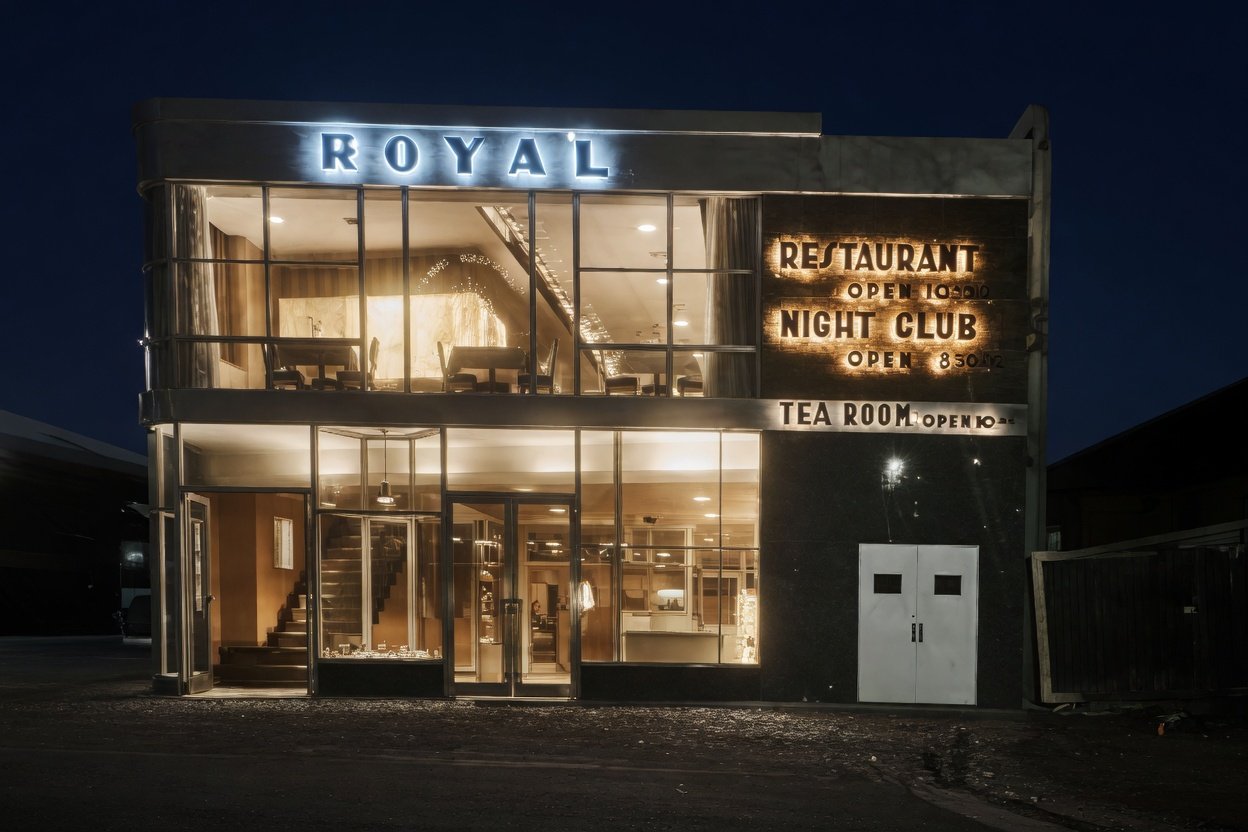
In 1953, he opened the Royal Nakasu Restaurant / Night Club / Tea Room in Fukuoka, which became famous in 1954 when Marilyn Monroe and Joe DiMaggio dined there each day during their stay in the city. In 1959, he opened a Royal restaurant in Shinten-cho, Tenjin (Chuo Ward), which became a pioneer of family restaurants in Japan. He continued to expand his food manufacturing, opening ice cream factories in the 1960s, before launching the first Royal Host family-style restaurant in Kurosaki, Kitakyushu (Fukuoka Prefecture) in December 1971.
At 82 years of age, Egashira died of pneumonia on April 13, 2005. He had led the company’s growth into a major food and hospitality group, with the company later that year transitioning to Royal Holdings Company, Ltd. For a man who had a variety of health issues and was expected to only live to age 55, he certainly beat the odds and was able to accomplish great things for not only Fukuoka but all of Japan.
In a 1991 Los Angeles Times article, it says Egashira “cooked and made ice cream for the American Army in Japan,” an experience that sparked his deep attachment to American culture and cuisine.
It sure did.
Thank you, Uncle Sam, for everything.
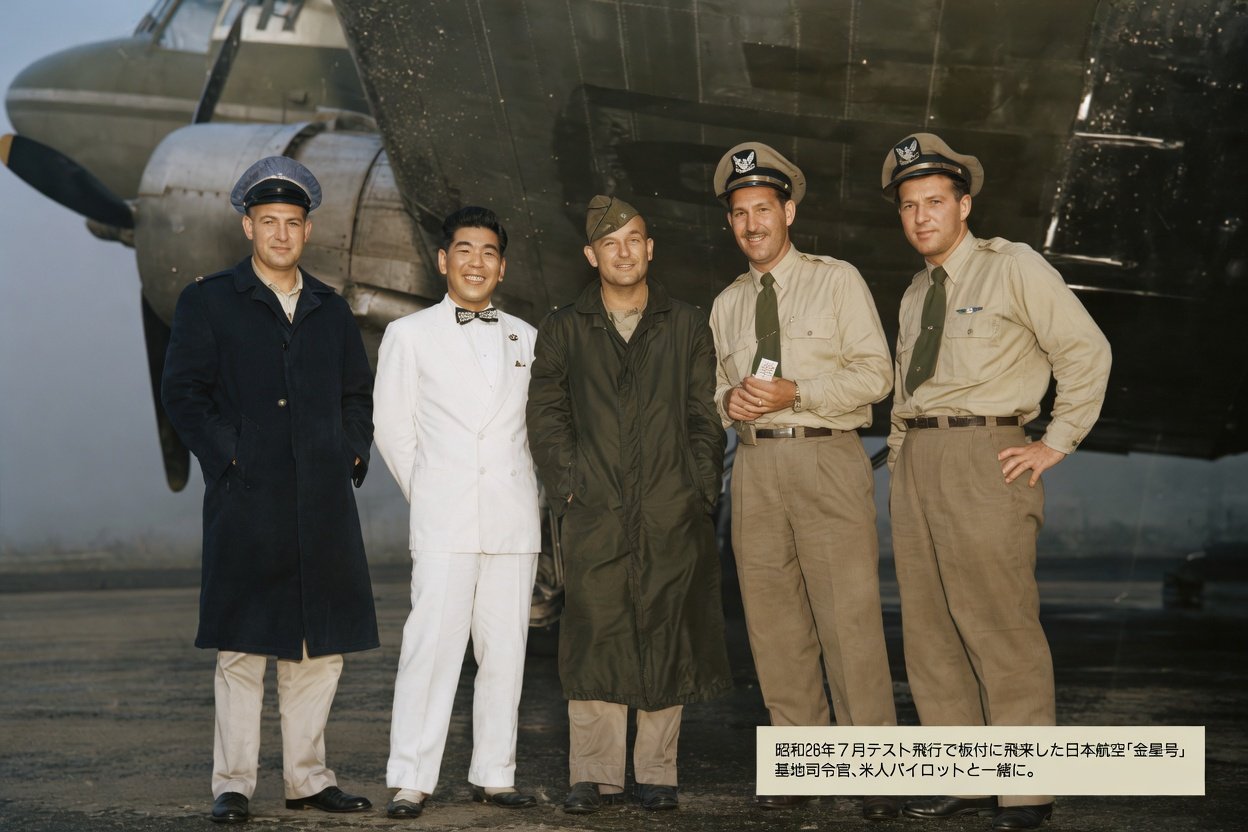
The Kinsei (金星, meaning “Golden Star” or “Venus”) in the above group photo refers to Japan Airlines’ (JAL) first aircraft, a chartered Douglas DC-3 (registration PI-C7 from Philippine Airlines) nicknamed “Kinsei-go” (金星号).
Japan’s civil aviation was banned after World War II under the Allied occupation. When the ban lifted, Japan Airlines (JAL) was established on August 1, 1951 (Showa 26) as the country’s first postwar domestic airline.
To prepare for operations, JAL chartered a DC-3 from Philippine Airlines for crew training, familiarization flights, and promotional “test/invitation” flights. The aircraft was named “Kinsei-go” (Golden Star). In late July to August 1951, it conducted test and demonstration flights, including routes involving Itazuke Air Base. The caption in the photo translates roughly to: “[Egashira] with the Base commander and American pilots during test flight of the Japan Airlines ‘Kinsei-go’ which arrived at Itazuke Base in July 1951.”
These flights helped JAL prepare for its inaugural scheduled domestic service, which began on October 25, 1951, using a leased Martin 2-0-2 (“Mokusei-go” / 木星号, Jupiter) on the Tokyo–Osaka–Fukuoka (Itazuke) route.
From another old email…
6/9/1998, 9:43 PM
TO: Chuck Willis
Some very good news over here is that I was finally able to meet with Mr. Harada, the president of the Chidori Manju Co., a large confectionary located in Iizuka and here in Fukuoka. He was beaming from ear to ear when I told him that one of the former base commanders has very fond recollections of him. This is one man who definitely gloried in those “Base Years” of Fukuoka… he personally owes a lot to the personnel who helped him, especially in regards to his health, introducing him to a cancer institute in the States… I’m sure there are many other elite in this city who have a lot of good memories of the bases and the Americans who served here.
~~ To Be Continued ~~
Digging thru the past...
And sharing it with the world
fukuokabases@use.startmail.com
Wes Injerd 2026. All Rights Reserved